Stop Treating Culture Like a First Date. It's Built for the Long Haul
Companies pour everything into the hiring 'first date' — the polished careers page, the attentive interview loop — and then let the relationship quietly fade around month four. We don't lose people on day one; we lose them on day 743, in a relationship nobody bothered to keep dating. Here's how the best employers stay present long after the chase is over.

Every company is obsessed with the first date.
The job posting is the profile picture, carefully curated, slightly aspirational. The interview process is the dinner where everyone's on their best behavior. The offer letter is the proposal, made with genuine excitement and a ring picked out months in advance. And then, somewhere around month four, the effort quietly drops, and everyone wonders what happened to the person who proposed.
That's not a dating story. That's the employee lifecycle at most companies — and it explains almost everything wrong with modern employee experience.
The Honeymoon Phase Is Not the Relationship
Recruiting teams pour enormous energy into the chase: polished careers pages, fast-moving interview loops, hiring managers who show up energized and present. It works. People say yes. And then, often within the first ninety days, the energy that won them over simply... stops.
This isn't because companies are dishonest. It's because most of them have built systems to win the first date and almost nothing to sustain the marriage. Onboarding is treated as a checklist instead of a continuation of the courtship. Managers who were warm and attentive during interviews vanish into "now go figure it out" mode. The candidate who felt chosen now feels processed.
In dating, we'd call this a bait and switch. In HR, we call it "normal ramp-up." It shouldn't be.
Year One Is the Relationship Nobody's Tending
Here's where the metaphor gets uncomfortably accurate: most retention strategies are built like couples who stop going on dates the moment they move in together. Engagement surveys happen once a year, like an anniversary dinner nobody planned for. Recognition becomes rare and transactional instead of frequent and specific. Growth conversations get postponed indefinitely because "things are fine."
Things being "fine" is exactly how relationships (and employees) quietly check out. Disengagement rarely looks dramatic. It looks like someone still showing up, still doing the job, slowly stopping believing anyone notices the difference. Gallup's long-running engagement research backs this up: the majority of disengaged employees never file a complaint or raise a flag — they simply do the minimum and wait, which is precisely why managers are so often blindsided when someone finally quits.
The companies that retain people well don't have more romantic gestures. They have consistency. A manager who checks in not just when something's wrong, but because they actually want to know how things are going. A growth conversation that happens before someone starts quietly browsing LinkedIn, not after.
And Then There's Ghosting
If onboarding is the awkward post-first-date silence, offboarding is the full ghost. Someone gives notice, and overnight, the company that once moved heaven and earth to win them over suddenly can't be bothered to ask why they're leaving, or to say a real goodbye.
This is the moment companies forget they're still being watched. Former employees talk. They refer people, or they warn people. A relationship that ends with respect leaves the door open for referrals, rehires, and goodwill. One that ends coldly leaves a reputation, and reputations travel further than any job ad.
Early in my career building an HR function from scratch at a fast-growing tech company, I learned this the hard way. A strong performer, someone two of his managers genuinely liked, gave notice on a quiet Tuesday with almost no warning. I almost let his exit interview slide; the decision was already made, the offer already signed elsewhere, what was the point? I asked anyway. In twenty minutes he told me exactly where the relationship had quietly started cracking: a promotion conversation eight months earlier that was promised "soon" and never revisited. Nobody had lied to him. Nobody had checked back in either. By the time I asked, it was too late to keep him — but not too late to fix it for the next five people sitting in the same silent waiting room.
Questions Leaders Should Be Asking
Before you reach for another engagement initiative, sit with these:
- Is your interview process more attentive than your first 90 days on the job? If so, what does that teach new hires about what's real?
- Which of your "fine" employees haven't had a real growth conversation in over six months, and how would you know if they were already checked out?
- When was the last exit interview that actually changed something, instead of just confirming what you already suspected?
- If an employee described your relationship with them honestly, would they call it a partnership or a transaction?
How do you keep employees engaged after onboarding?
- Don't let the chase outshine the commitment. If your interview process is warmer than your first 90 days, you have a sequencing problem. Match the energy you used to win people with the energy you use to keep them.
- Schedule the "how are we really doing" conversations before there's a problem. Annual engagement surveys are the equivalent of only checking in on an anniversary. Build in real, regular, low-stakes check-ins, the workplace version of "hey, how was your week, actually?"
- Exit like you mean it. Treat offboarding as the last impression it actually is. Ask honest questions. Listen without defensiveness. The goal isn't to convince them to stay — it's to learn what almost made them go.
The Real Takeaway
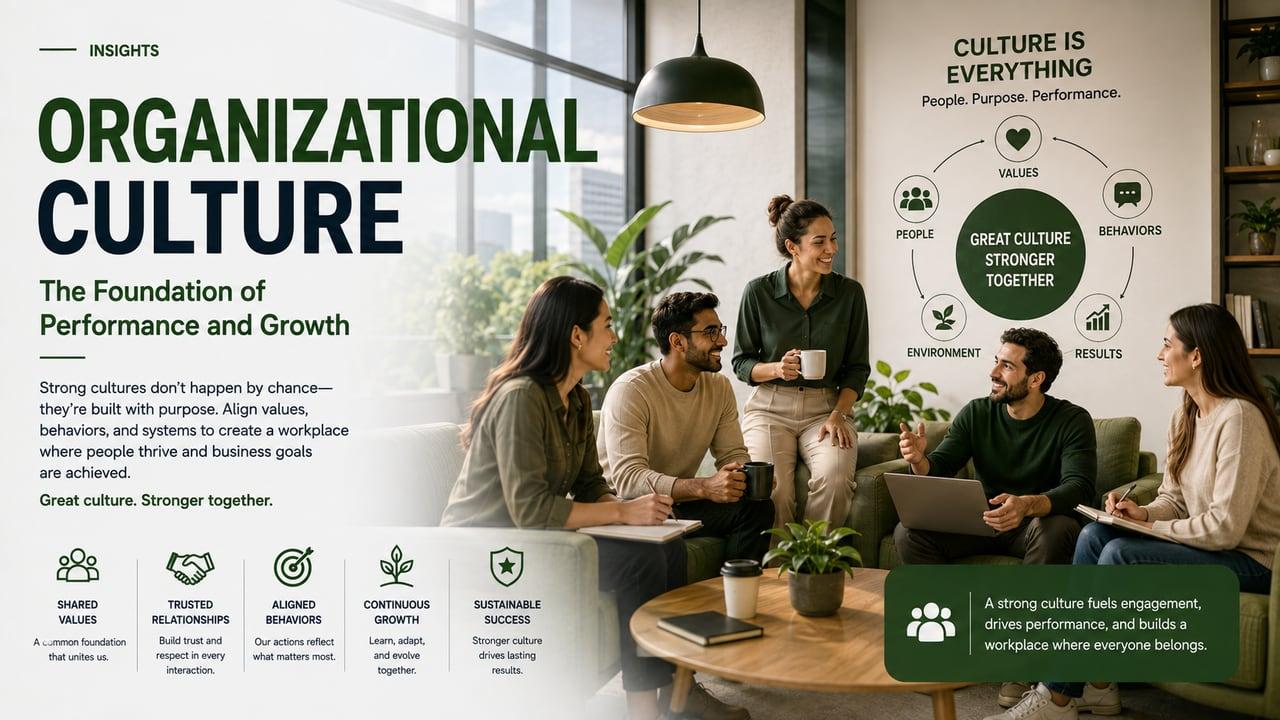
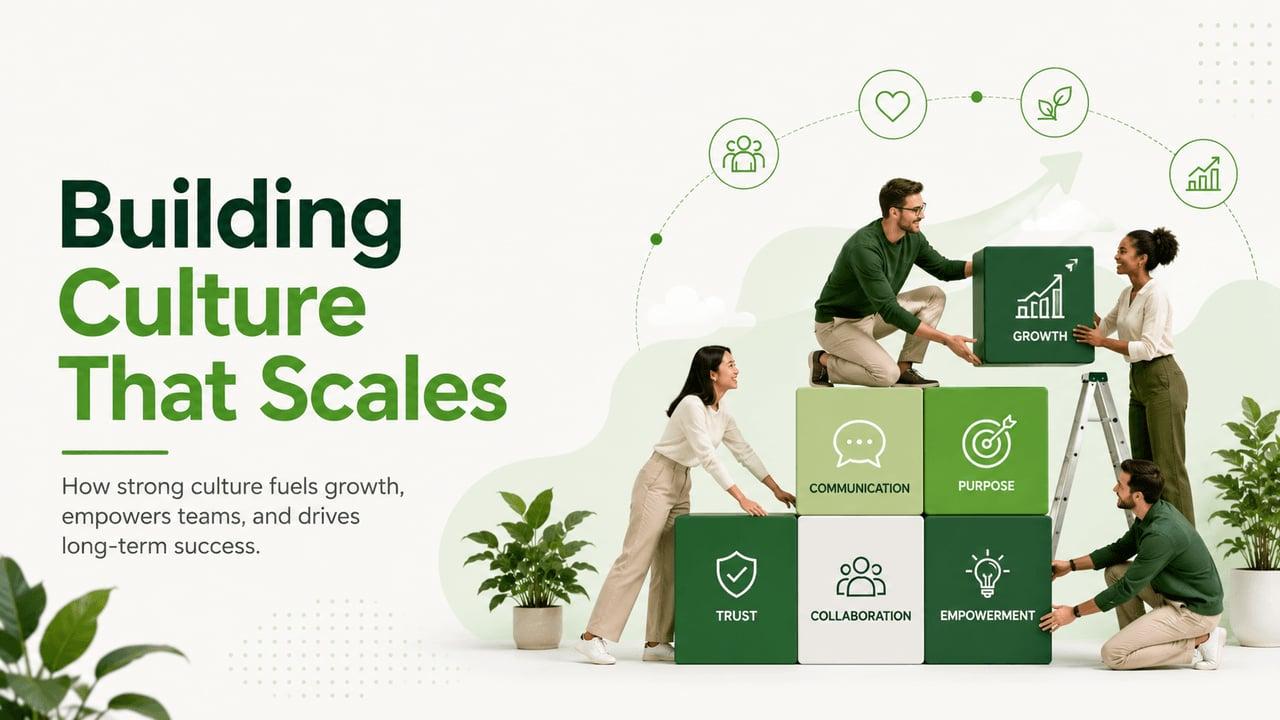
Culture isn't won in the interview room. It's not a values poster or a perks list. It's the sum of every ordinary Tuesday after the honeymoon phase ends: whether people still feel chosen, or whether they've quietly figured out they were just "onboarded."
We don't lose people on day one. We lose them on day 743, slowly, in a relationship nobody bothered to keep dating.
The best employers aren't the ones with the most charming first date. They're the ones still showing up, fully present, long after the chase is over.
Frequently asked questions
- Why do culture initiatives fade?
- Because they are designed like campaigns. A launch creates attention, and attention is not the mechanism that sustains behaviour: hiring, promotion, and what leaders tolerate are.
- How long does culture change take?
- Long enough that the honest answer discourages most sponsors. The first visible shift usually follows the first promotion or exit that clearly turned on the stated values.
- What is the strongest signal a culture is real?
- A costly decision made in line with it. Culture is only demonstrated when following it is expensive.
- How do you keep employees engaged after onboarding?
- Match the energy that won them with the energy that keeps them: do not let the interview outshine the first ninety days, hold honest check-ins before there is a problem, and treat offboarding as the last impression it actually is.
- Why do exit interviews matter even after someone has decided to leave?
- The goal is not to change their mind but to learn what quietly cracked the relationship. Those answers rarely surface any other way, and they let you fix the same silent problem for the people still sitting in the same waiting room.