Build a company that scales — without losing who you are.
Practical guides on organization development, culture, and talent — from the team building Green Apple.
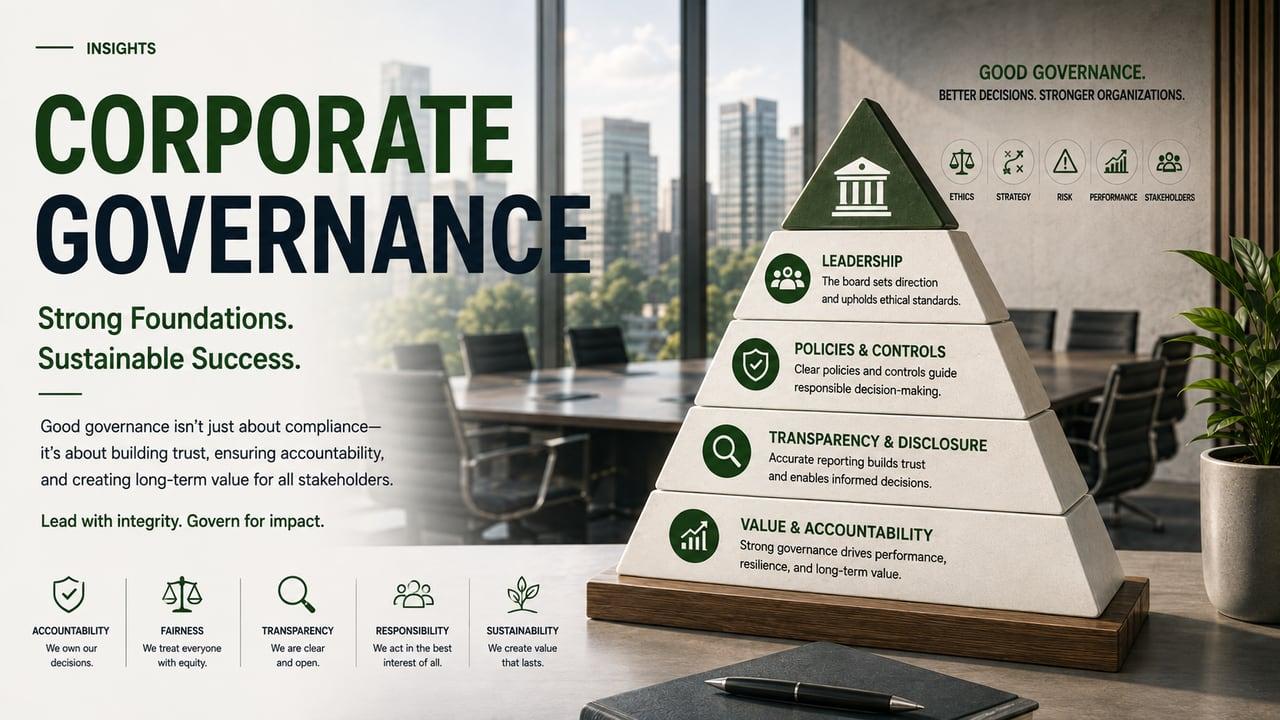
Corporate Governance for Growing Companies: More Than Compliance
Corporate governance isn't a compliance binder you file away. It's how a company keeps making consistent decisions as it grows. The Governance Ladder makes it concrete — the three jobs governance does, and when to formalize each.
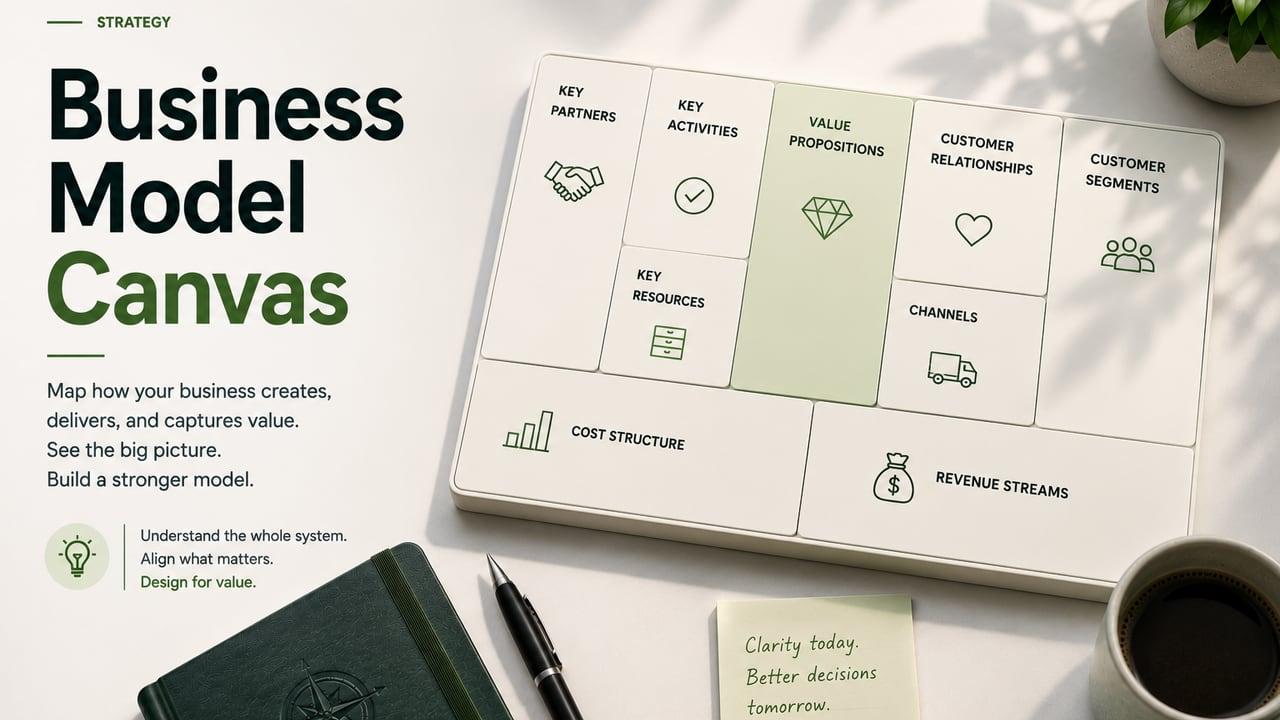
The Business Model Canvas — A Coherent Canvas Is Not a Company
The Business Model Canvas gives you nine blocks that describe how a business creates, delivers, and captures value. Fill them all in and you get a coherent picture — and not one of the nine tells you whether the model is true, whether it's defensible, or whether your organization can actually build it.

Culture Metrics for the Board — Stop Reporting the Weather
Boards skip the people section because it arrives as weather: something to note, never something to decide. The Board-Grade Test names the four properties that give a culture or HR metric the same weight as revenue, and what to cut from the pack to get there.

Succession Planning When Every Critical Role Rests on One Person
In growing companies, succession plans usually fail because there is no bench: every key role lives in one person's head. The Walk-Out Test names the three things that leave when that person does, knowledge, relationships and authority, and shows why making a role transferable comes before naming anyone to succeed to it.

Workforce Planning for Next Year's Strategy — Start From the Bets, Not the Headcount
Most workforce plans are last year's headcount plus every department's requests, which makes them budgets rather than plans. The Bet-to-Capability Map starts from next year's strategic bets, names the capabilities each one depends on, and decides for every gap whether to build, buy, borrow or rethink the bet.

HR Department Structure by Growth Stage — Add Capability, Not Just Administrators
Growing companies usually build HR by adding whatever administrative need is loudest, and arrive at three hundred people with a capable back office and nobody working on structure, capability or culture. The HR Build Sequence matches what HR adds at each stage to the biggest people risk of that stage.

The Business Case for an OD and Talent Platform — Sell the Decision, Not the Software
Most business cases for organizational development and talent software fail in the first ten minutes, because they describe features and hours saved to a leadership team that sees a cost with soft benefits. The One-Decision Business Case anchors the request in a costly problem leadership already feels, and asks for a pilot before a budget.

Government vs Private Sector Structure — Different Owners, Different Design Rules
The usual comparison between public and private organizational structures stops at bureaucracy versus speed. The real differences sit in three design anchors: mandate, the source of authority, and how the structure itself gets approved. Semi-government entities fail when they inherit the wrong half of each.

Building an Executive Leadership Team — Hiring Senior People Is the Easy Half
Founders who can no longer make every decision usually respond by hiring senior people, then keep making the decisions anyway. The Three Handovers describe what actually turns a group of capable executives into a leadership team: domains, a shared enterprise agenda, and accountability to each other.

Flat Structures After 100 People — The Hierarchy Is Already There, It's Just Unwritten
Flat organizations rarely stay flat past a hundred people. They grow an informal hierarchy that nobody designed, nobody pays for and nobody can see. The Four Jobs Test shows which jobs a management layer actually does, and what has to replace each one if you want to stay flat.

Holding Company Structure — Decide What the Centre Is For Before You Draw It
Most holding groups argue about centralisation function by function and end up with a head office that taxes its subsidiaries. The Three Roles of the Centre and the Buy-It-Back Test give a group a way to decide what the parent owns, what runs as a shared service, and what belongs back in the operating companies.
Why Strategy Execution Fails: The Five Breaks in the Execution Chain
Leadership teams rarely fail at planning — they fail after it. When a strategy stalls three months past the offsite, the cause is almost never the plan. It's structural. The Execution Chain names the five places a company breaks between an approved strategy and the daily decisions meant to deliver it.
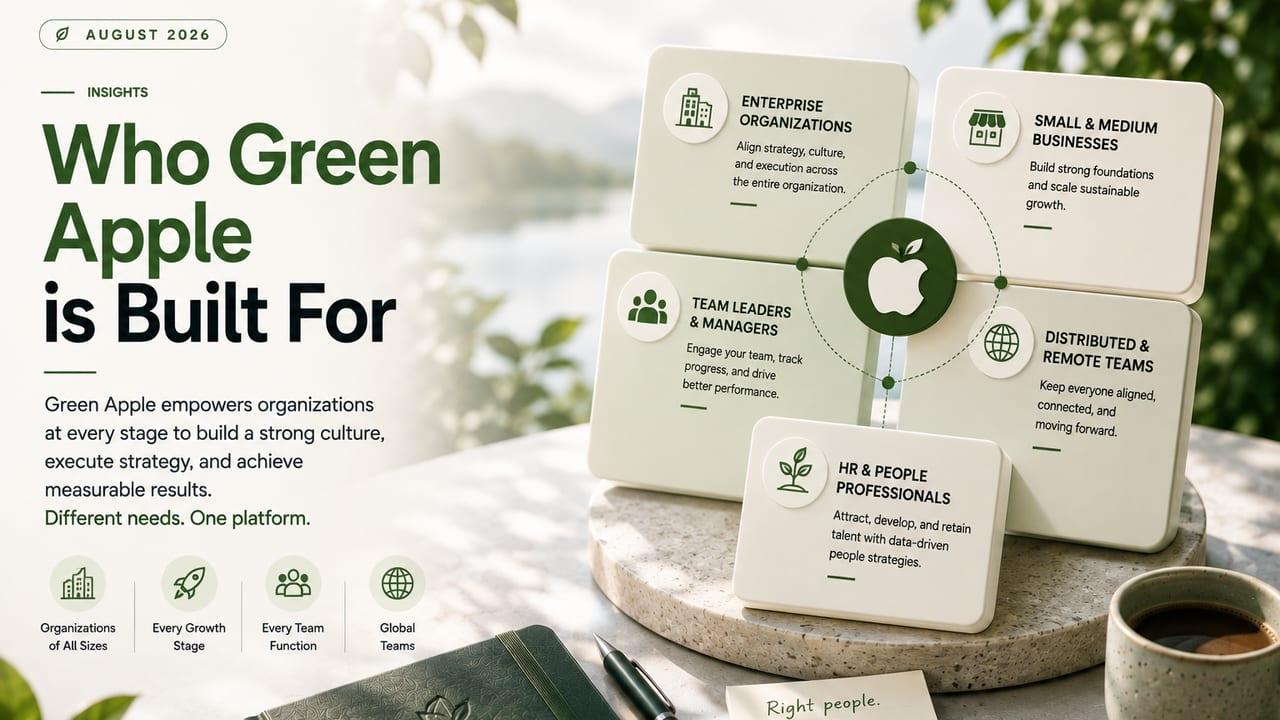
Who Green Apple Is Built For: Company Size, Roles, and When It Is the Wrong Fit
An honest fit guide from the people who build it: the company size where Green Apple starts to earn its keep, the five roles that get the most from it, and the five situations where we tell buyers to look elsewhere.
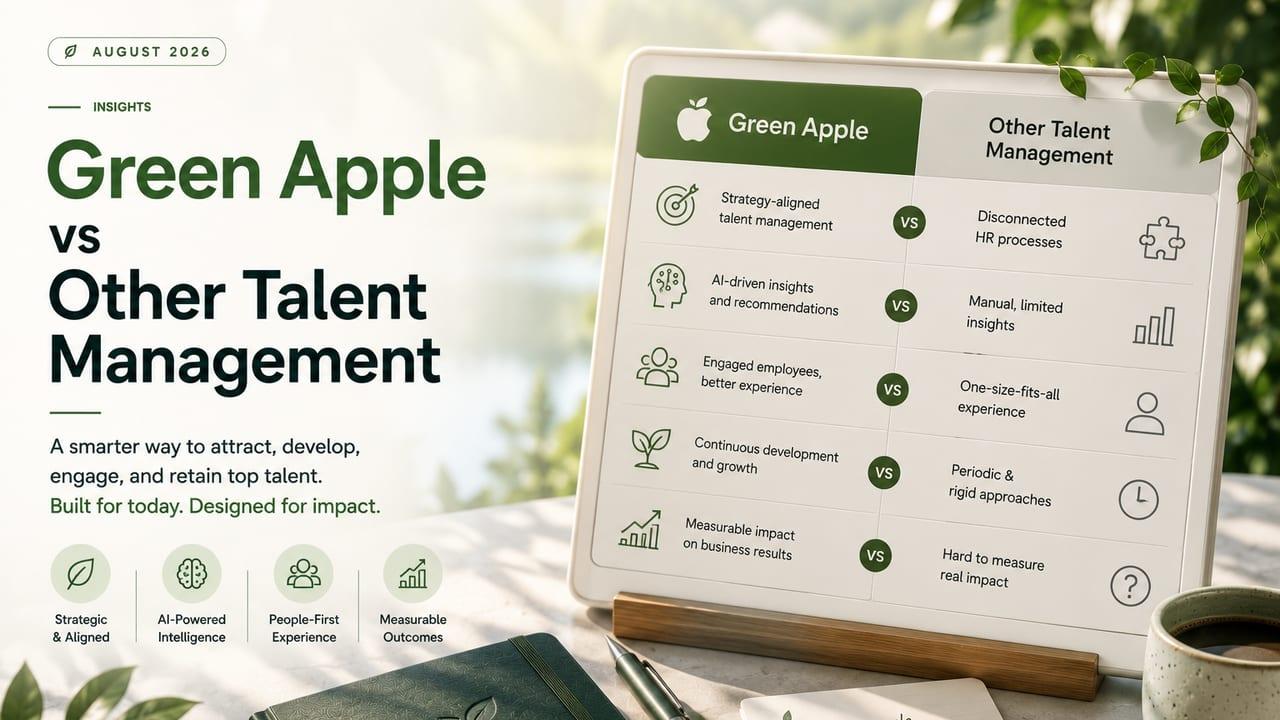
Green Apple vs Other Talent Management Platforms: An Honest Comparison
Most talent platforms are built to run processes. We built Green Apple to keep decisions aligned with strategy. Here's the honest comparison, including where we lose and who shouldn't buy us.
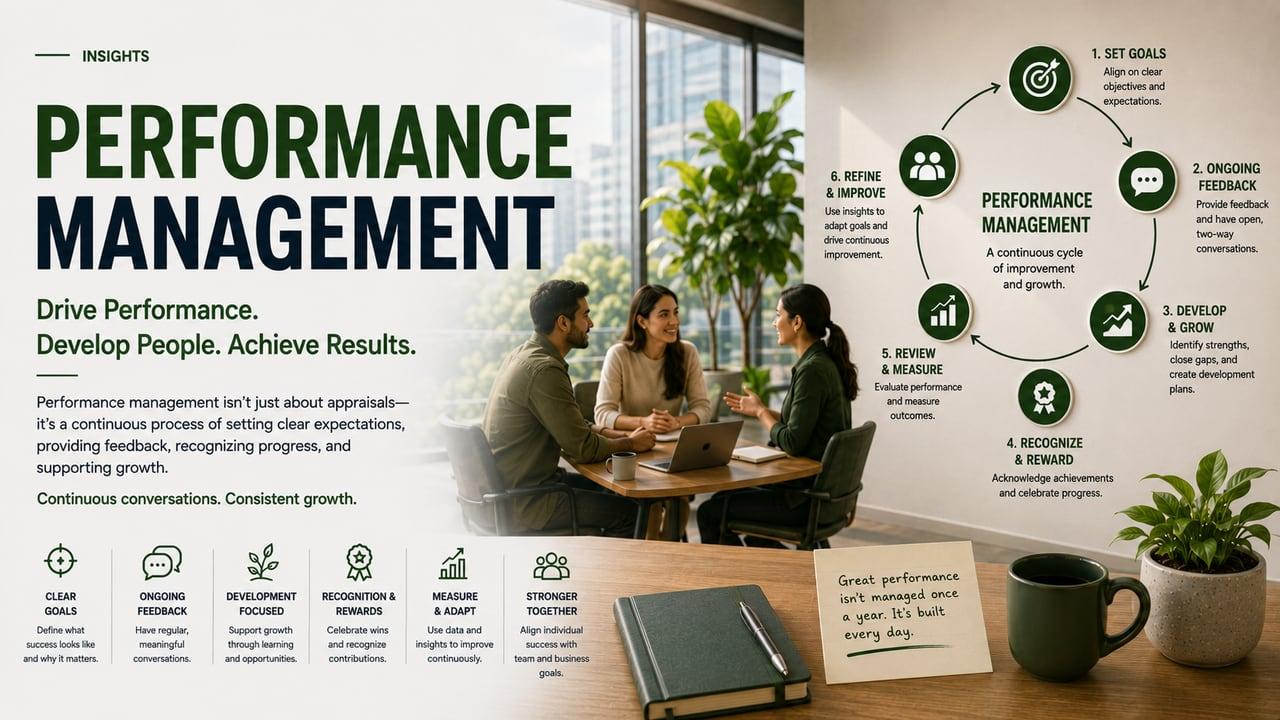
Performance Management That Doesn't Rot Into a Form
The annual review measures the wrong thing at the wrong time. The Living Performance Loop reframes performance management as a continuous cycle — goals, feedback, honest grading, and growth — that a team runs all year.
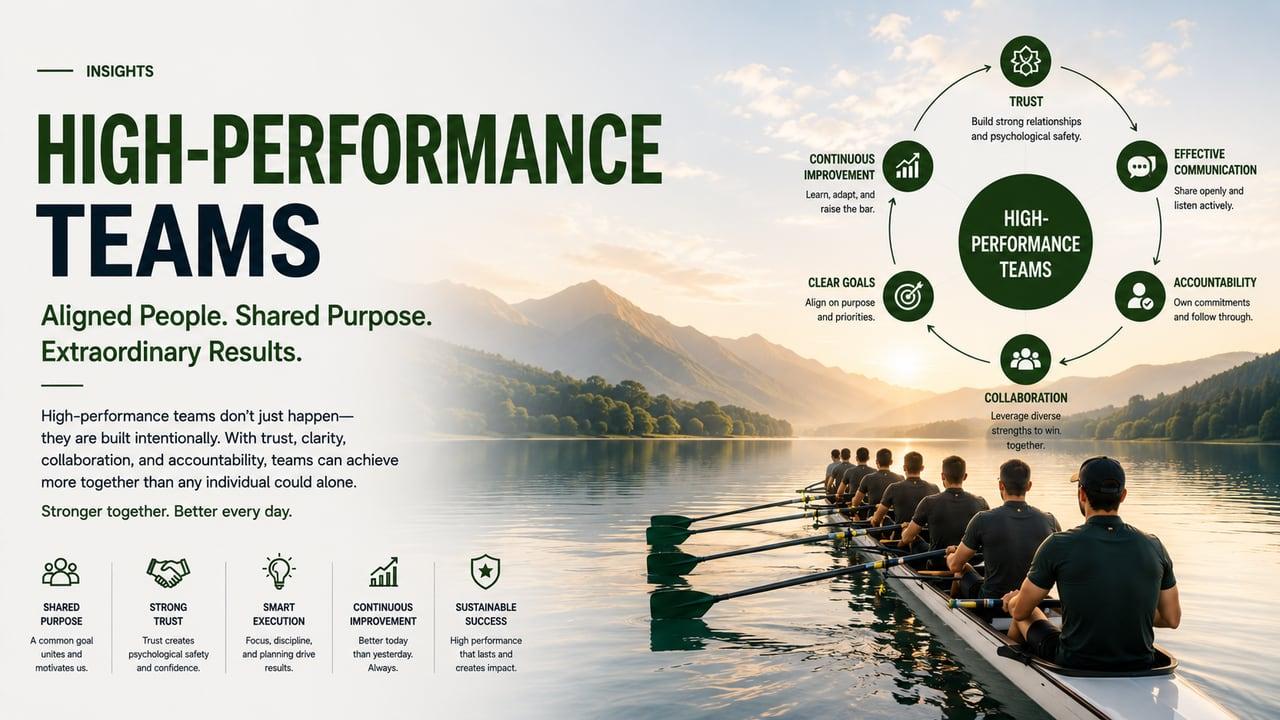
High-Performance Teams: What Separates Them From Merely Busy Ones
High-performing teams aren't the busiest ones. The Four Conditions of High Performance — clarity, trust, ownership, and feedback — are what separate real results from motion, and what to fix when a team stalls.
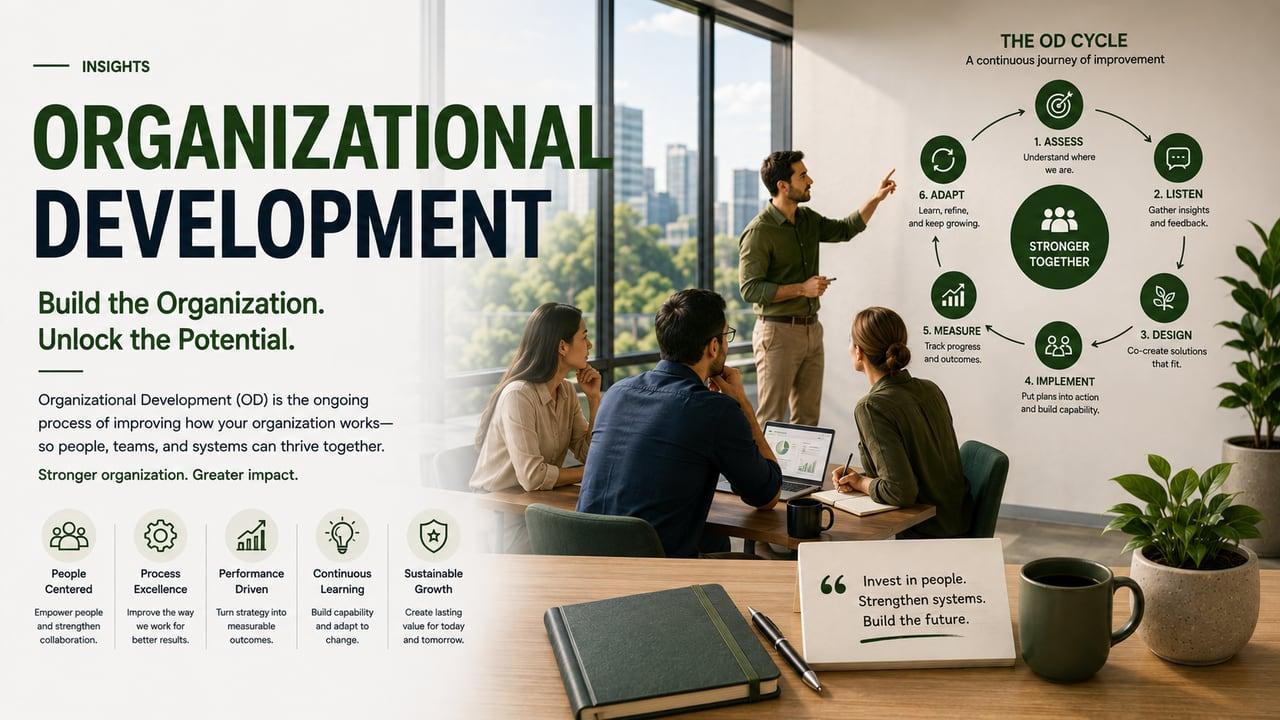
Organizational Development Strategies for High-Performing Companies
Organizational development is how a company keeps working as one while it scales. The Five Levers of OD are what leaders actually pull to build a high-performing organization — and why sequence matters.
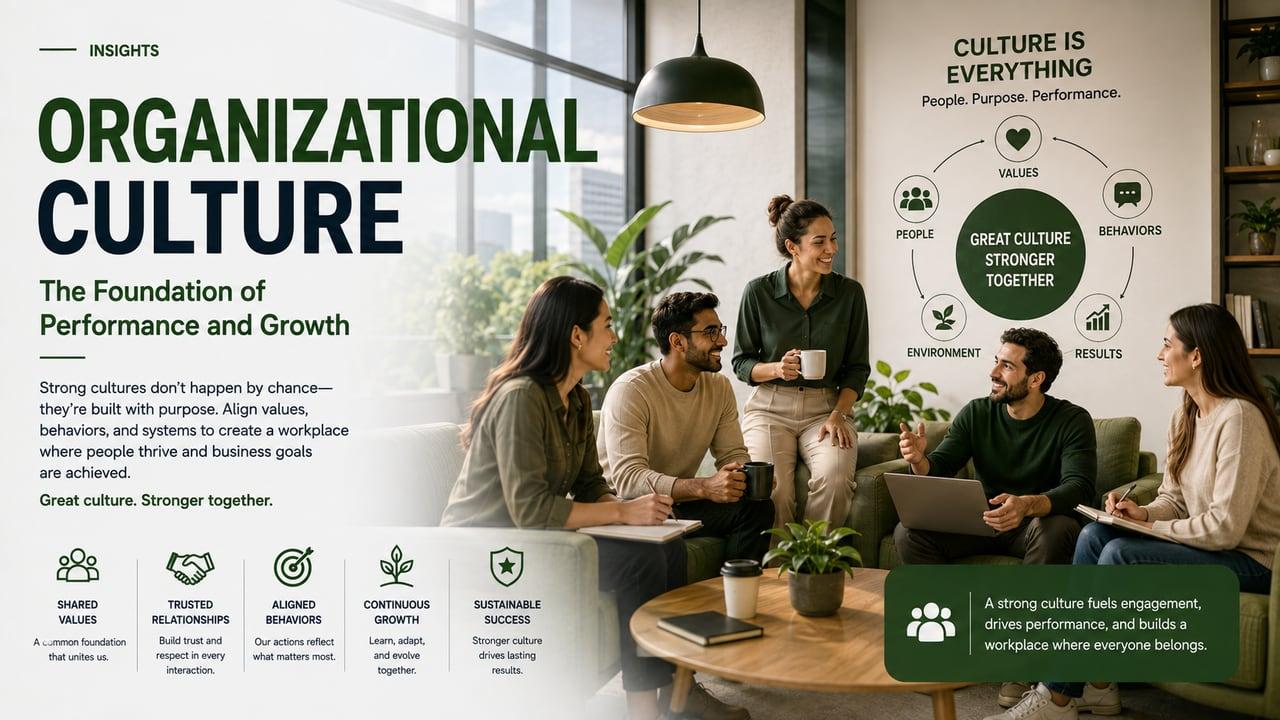
Organizational Culture: How It Actually Drives Performance
Culture isn't a vibe — it's a system that either compounds performance or quietly erodes it. The Culture Operating Loop shows how strong cultures get stated, lived, reinforced, and measured.
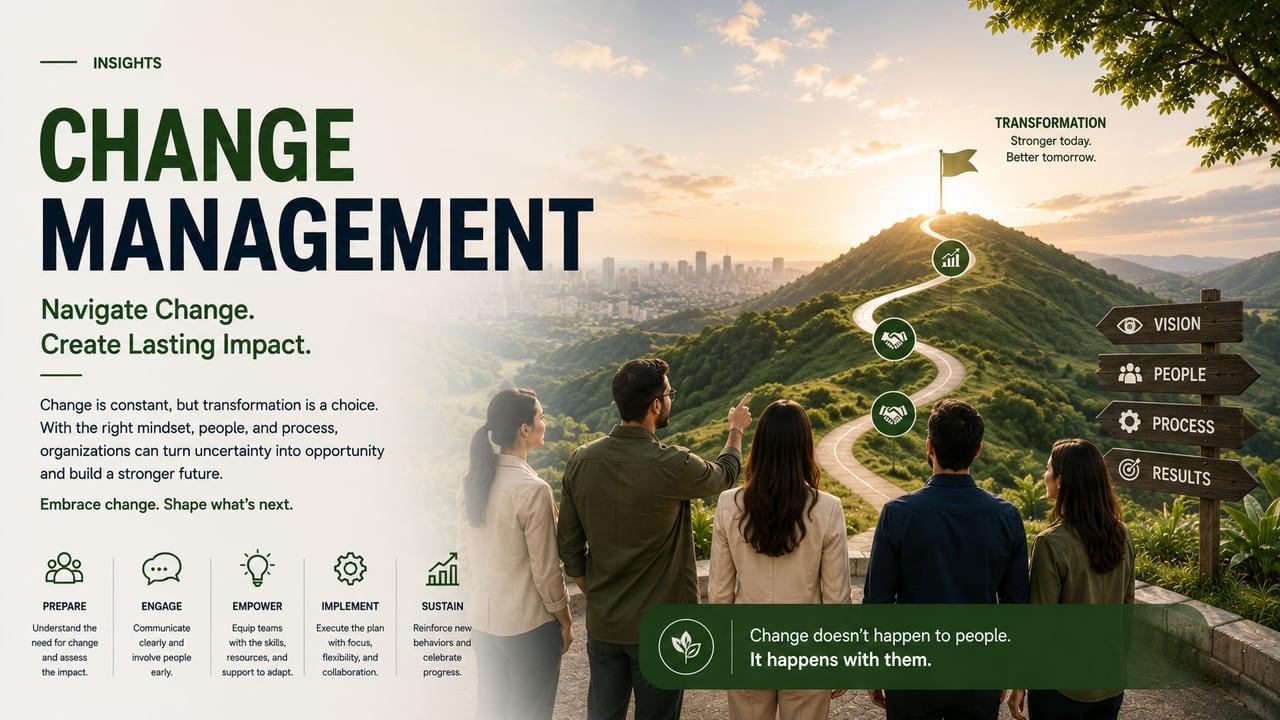
Change Management: Why Most Change Fails in the Middle
Most change doesn't fail at the announcement — it fails in the messy middle of adoption. The Three Gaps of Change is a practical model for what actually stalls a rollout, and how to close each gap.
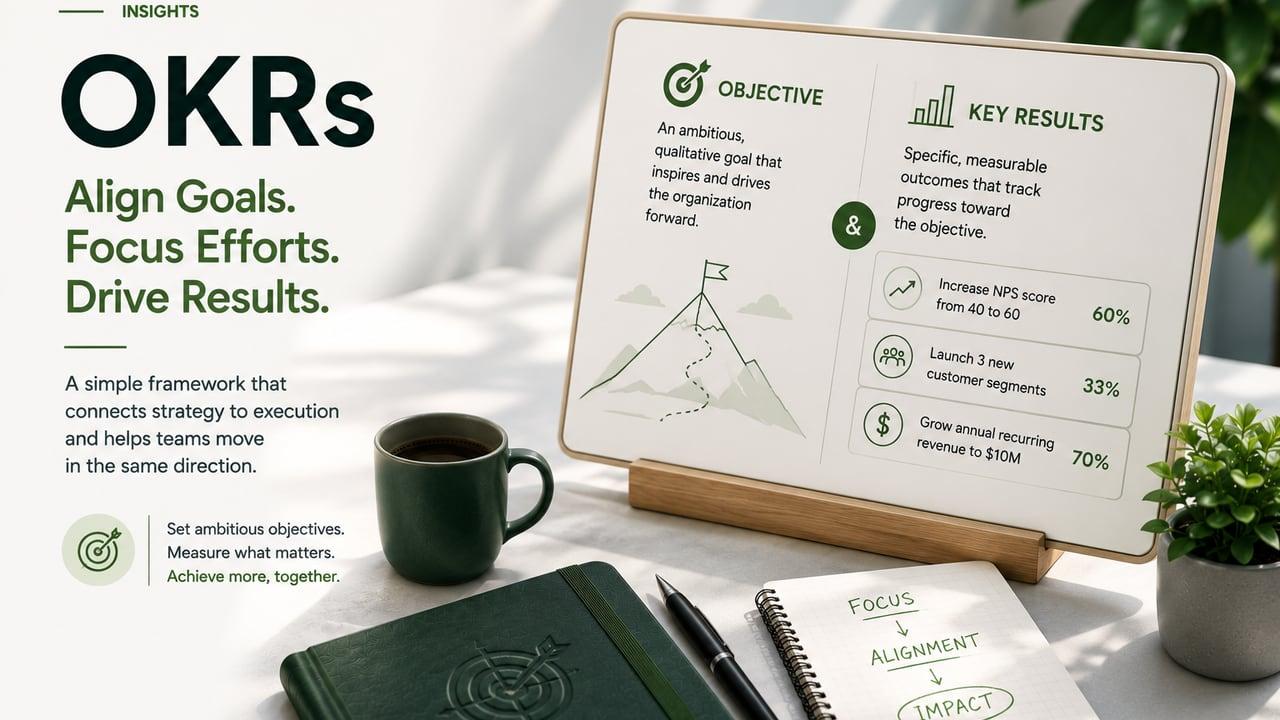
OKRs — The Target Is Not the Capability
OKRs make your goals visible and force you to measure them — the honest, transparent accountability most organizations never build. But a Key Result is a number you commit to, not a capability you have. Score a 0.6 and the sheet tells you that you missed — never whether you aimed too high or your organization simply couldn't reach it.
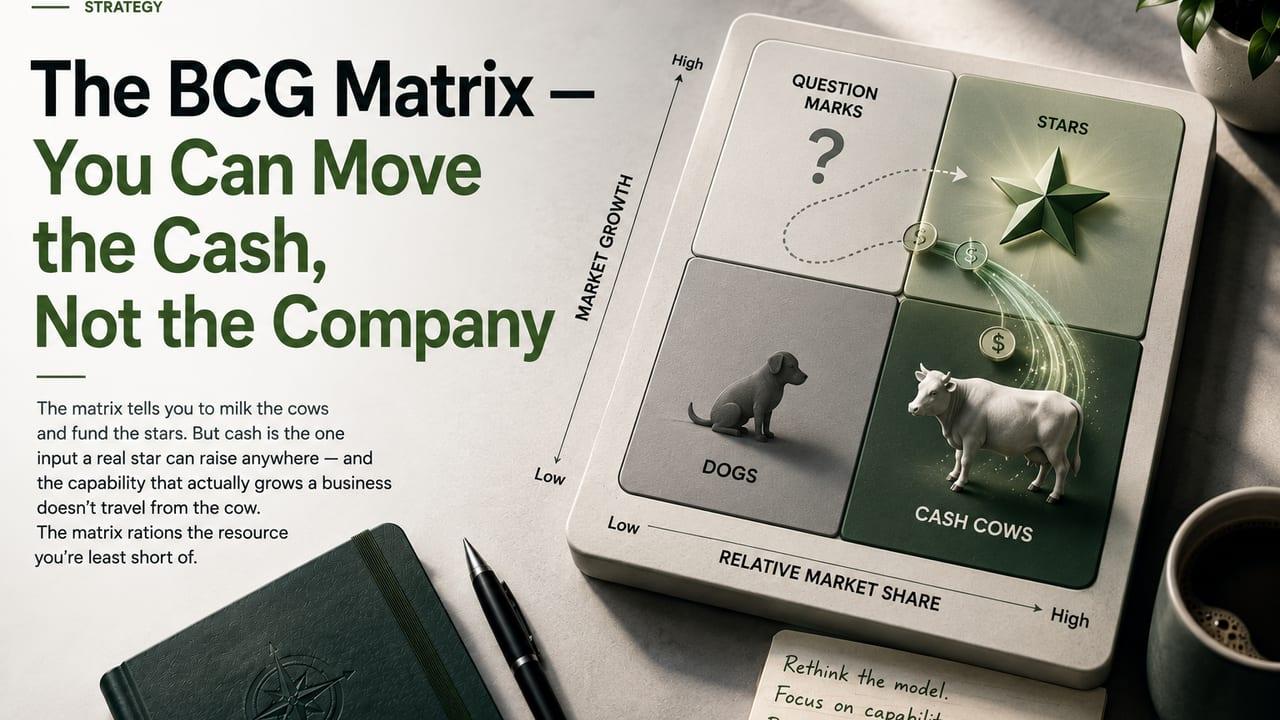
The BCG Matrix — You Can Move the Cash, Not the Company
The BCG matrix tells you to milk the cows and fund the stars. But cash is the one input a real star can raise anywhere — and the capability that actually grows a business doesn't travel from the cow. The matrix rations the resource you're least short of.
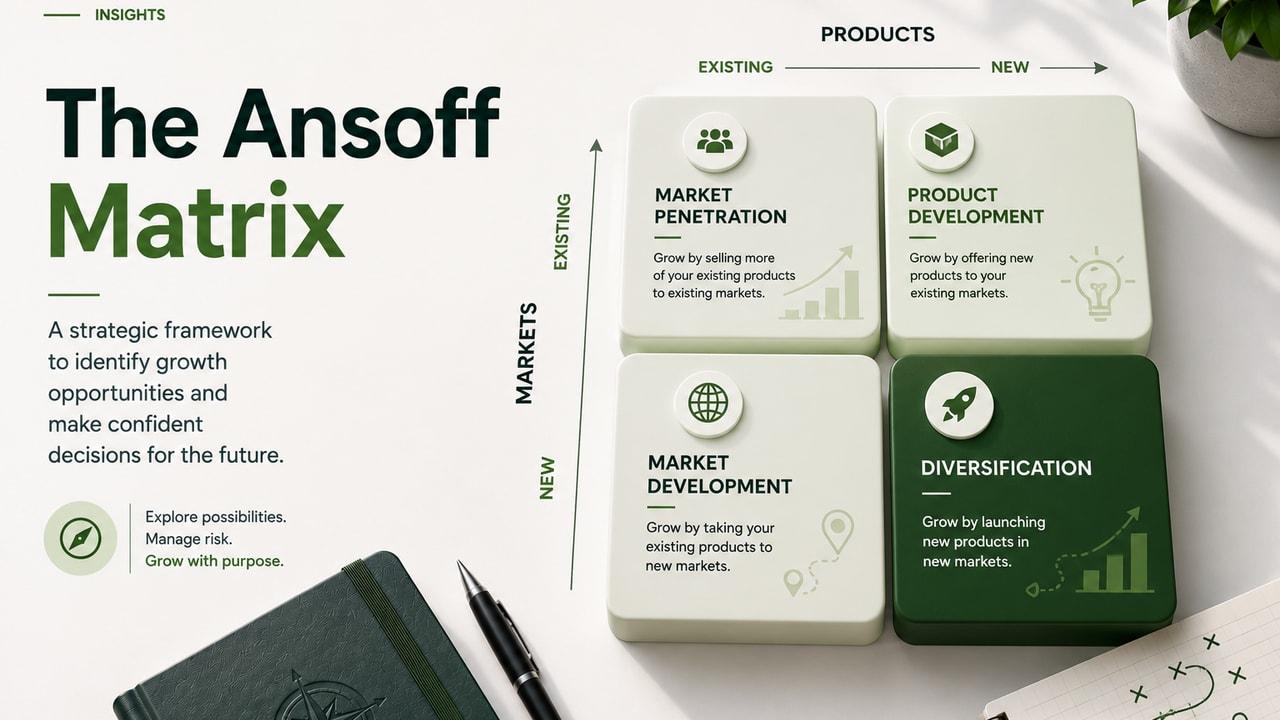
Ansoff's Matrix — Every Box Is a Different Company
The matrix everyone teaches ranks four growth moves from safe to risky. Ansoff never drew that ladder. The axis it replaced was the one that mattered — how much of a company you don't run yet each move would force you to build.
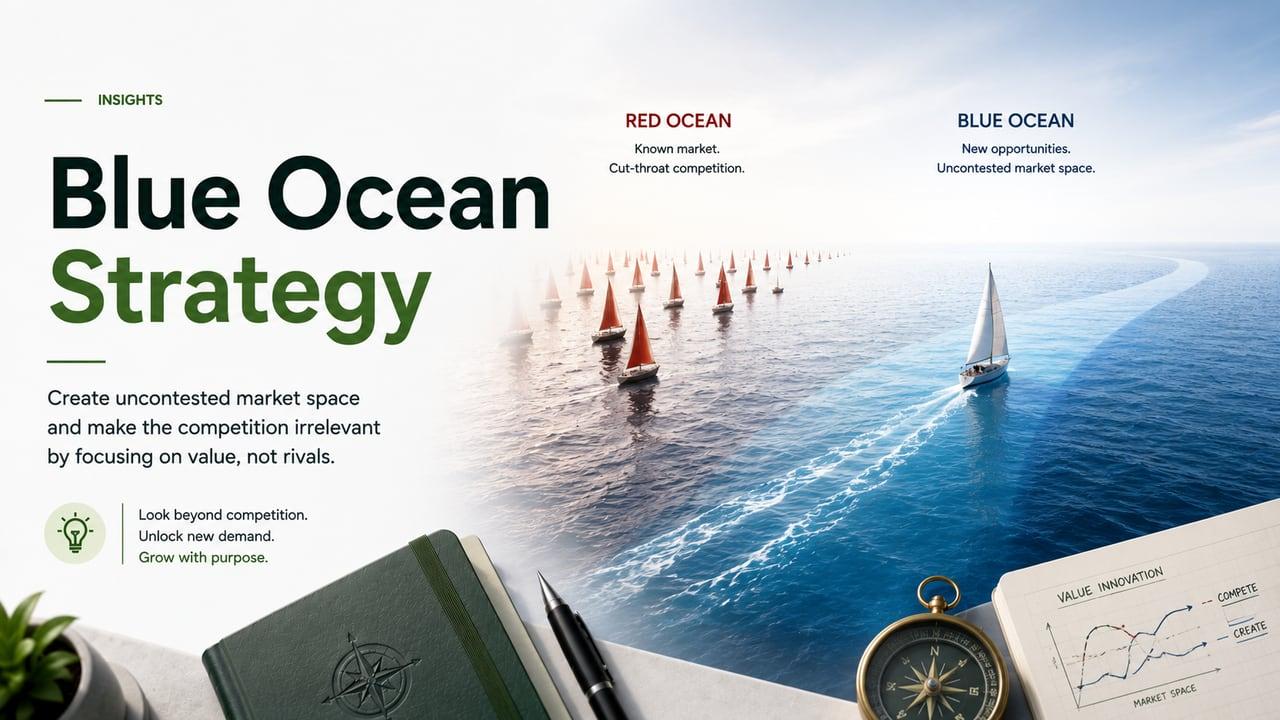
Blue Ocean Strategy — You Only Filled In Half the Grid
Blue Ocean Strategy gives you four moves: two add, two subtract. Every grid comes back filled in on the addition half — and subtraction was the half that paid.
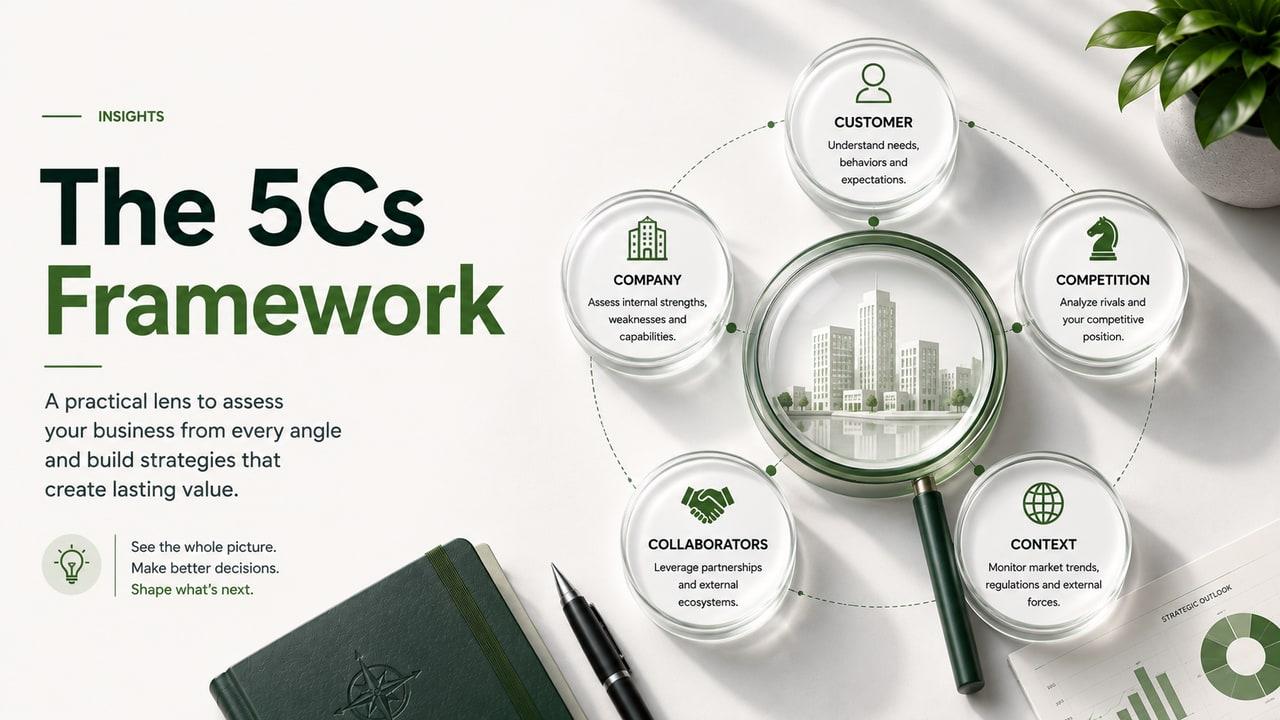
The 5Cs Framework — Don't Run It in a Room Together
The 5Cs Framework promises a shared view of your market. That consensus is manufactured in the room — and the disagreement it erases was your only real data.
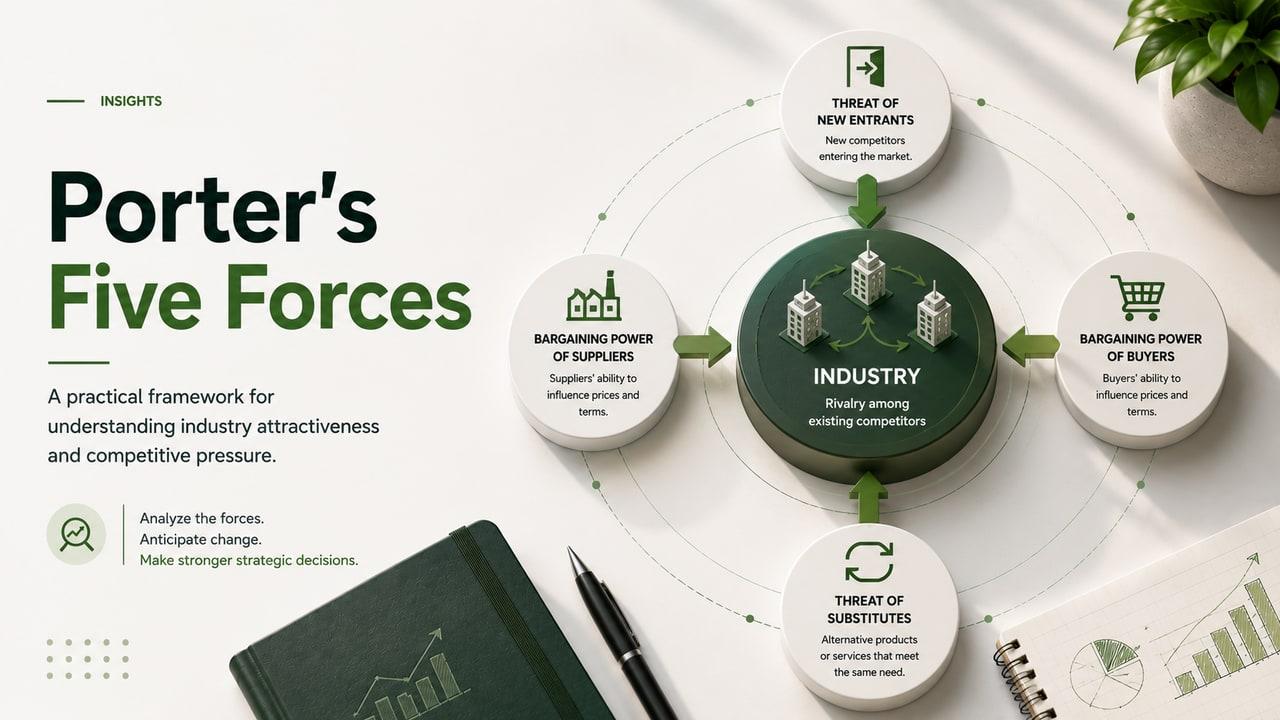
Porter's Five Forces — You're Not as Safe as You Think
Porter's Five Forces measures how attractive your industry is. It says nothing about how good you are — and on a P&L, profit the structure lends you looks identical to profit you earned. A framework for telling borrowed profit from the real thing, before the barriers fall and you find out the hard way.
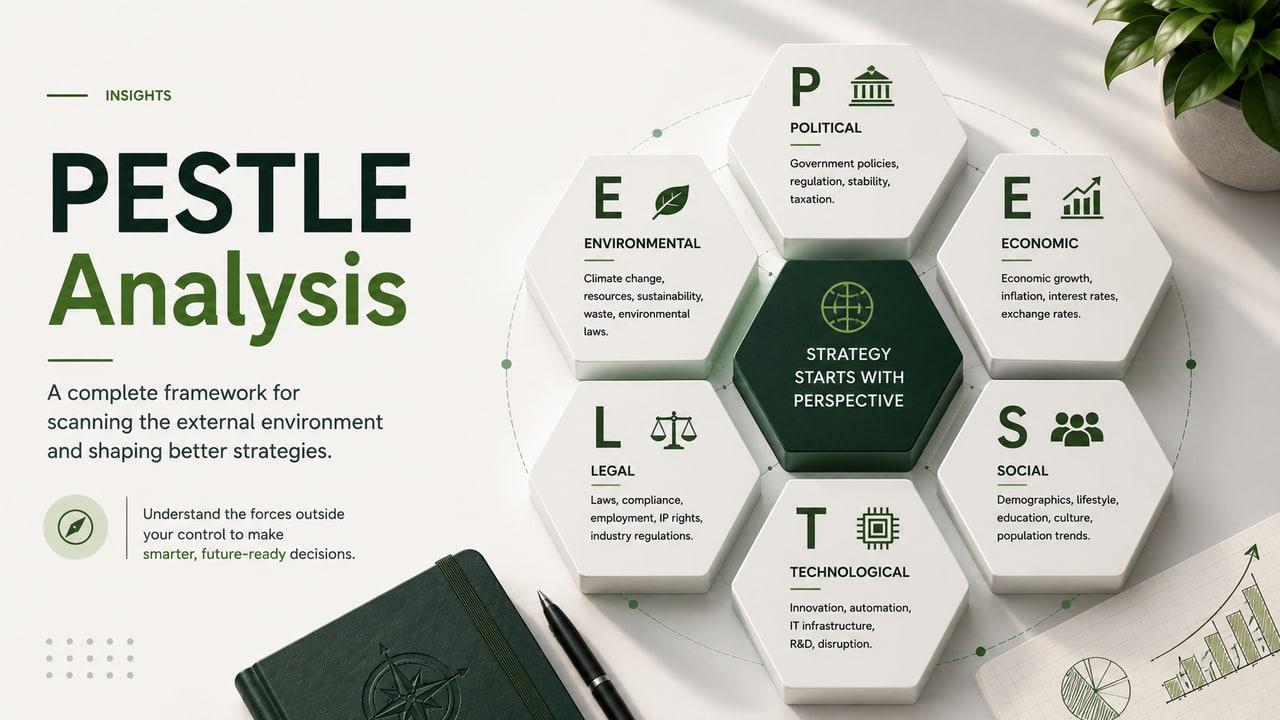
PESTLE Analysis — The Tool That Reads the Room Before You Walk Into It
Almost every company runs a PESTLE analysis. Almost none can name a decision that changed because of one. The gap isn't the scan — it's the seventh column nobody draws: what you'd have to be able to do about what you found. A framework for turning environmental intelligence into decisions that actually have owners.
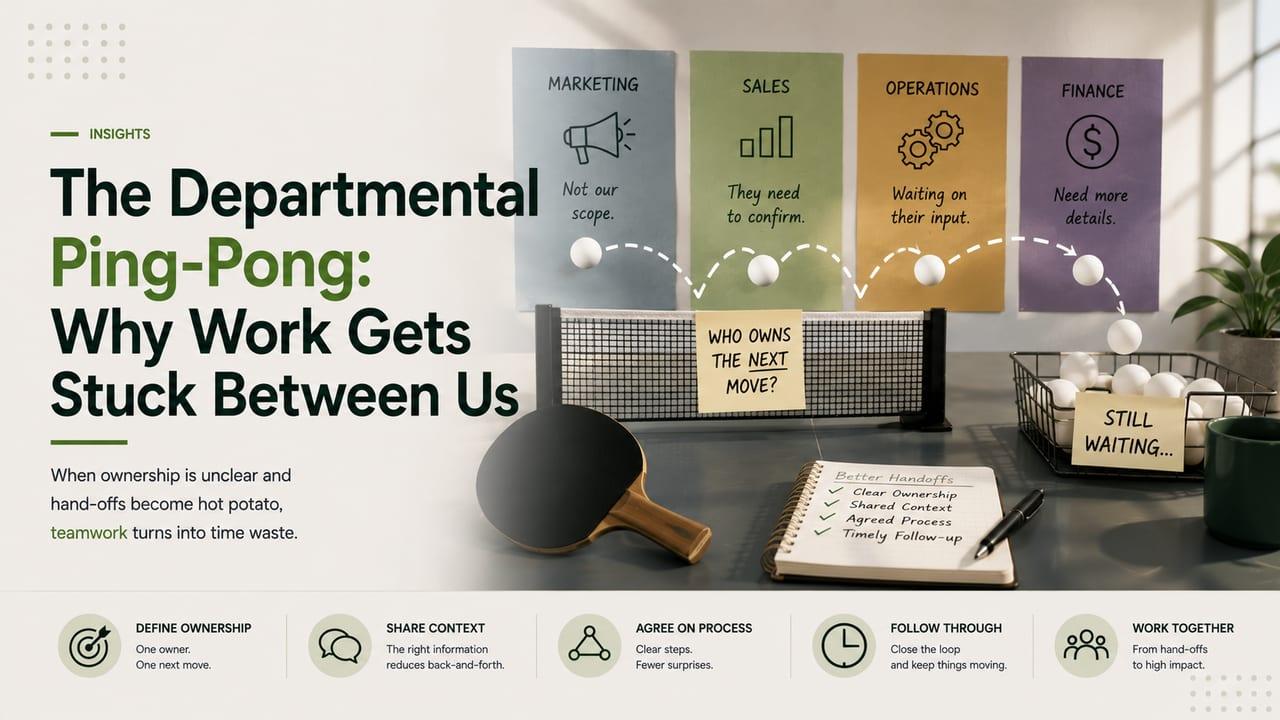
The Ping Pong Culture Nobody Talks About — And the One That's Quietly Killing Your Strategy
How departments learned to bat accountability back and forth — and why that's always a leadership problem in disguise.
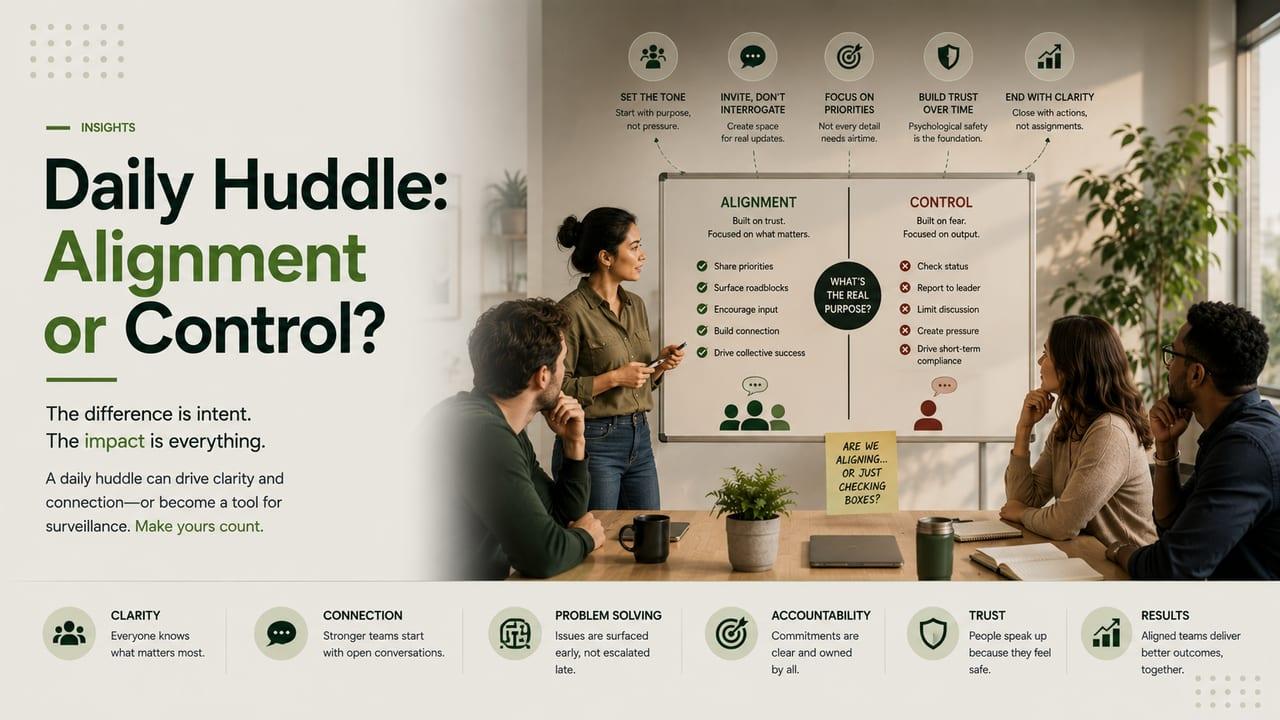
Is Your Daily Huddle for Alignment — or Control?
Most leaders start a daily huddle to create alignment. Watch one for a week and you'll usually see something else: status flowing upward to reassure the person at the top. We call it the Direction of Flow — and it quietly decides whether your meeting cascades your strategy or just monitors your people. Here's how to tell which one you're running, and how strategy actually travels down an organization.
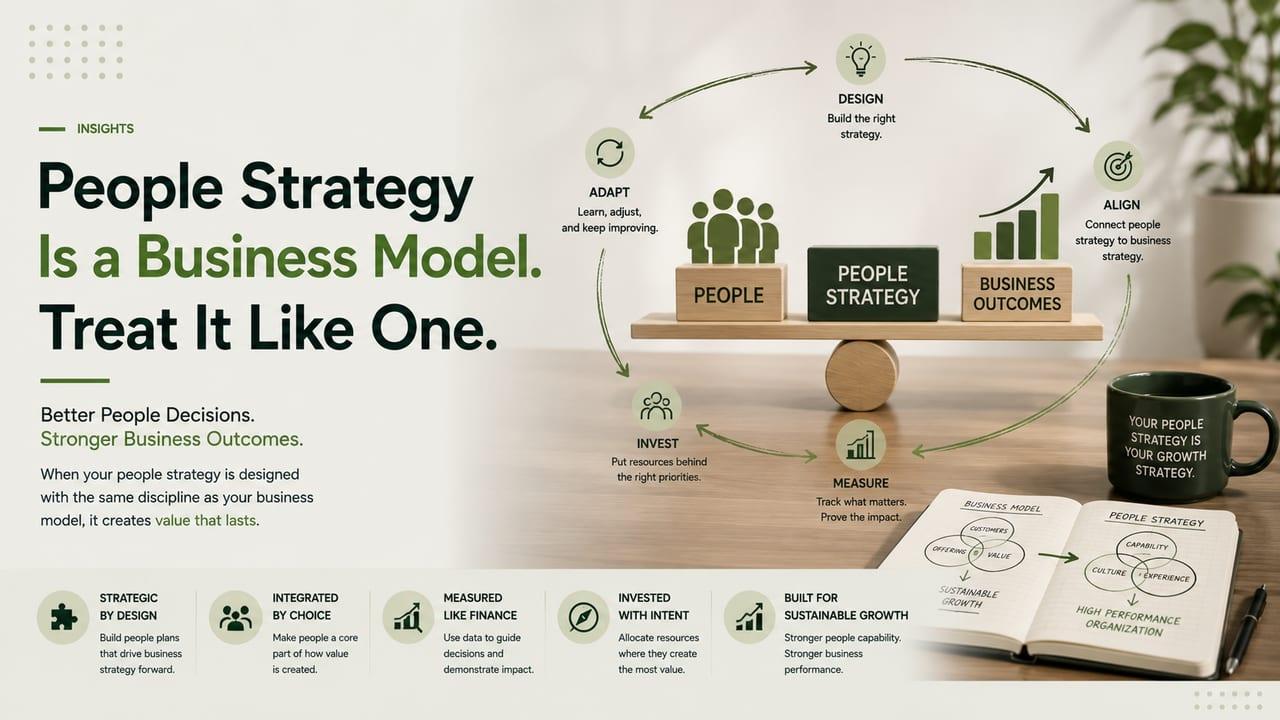
People Strategy Isn't an HR Document. It's a Business Model.
Most 'people strategies' aren't strategies — they're activity calendars in a strategy costume. A step-by-step model for building one backward from the business bet, the way you'd build any business-critical system: name the bet, pick the 2-3 capabilities that actually win, decide build-buy-borrow-or-bot, and instrument it like a product instead of an annual survey.
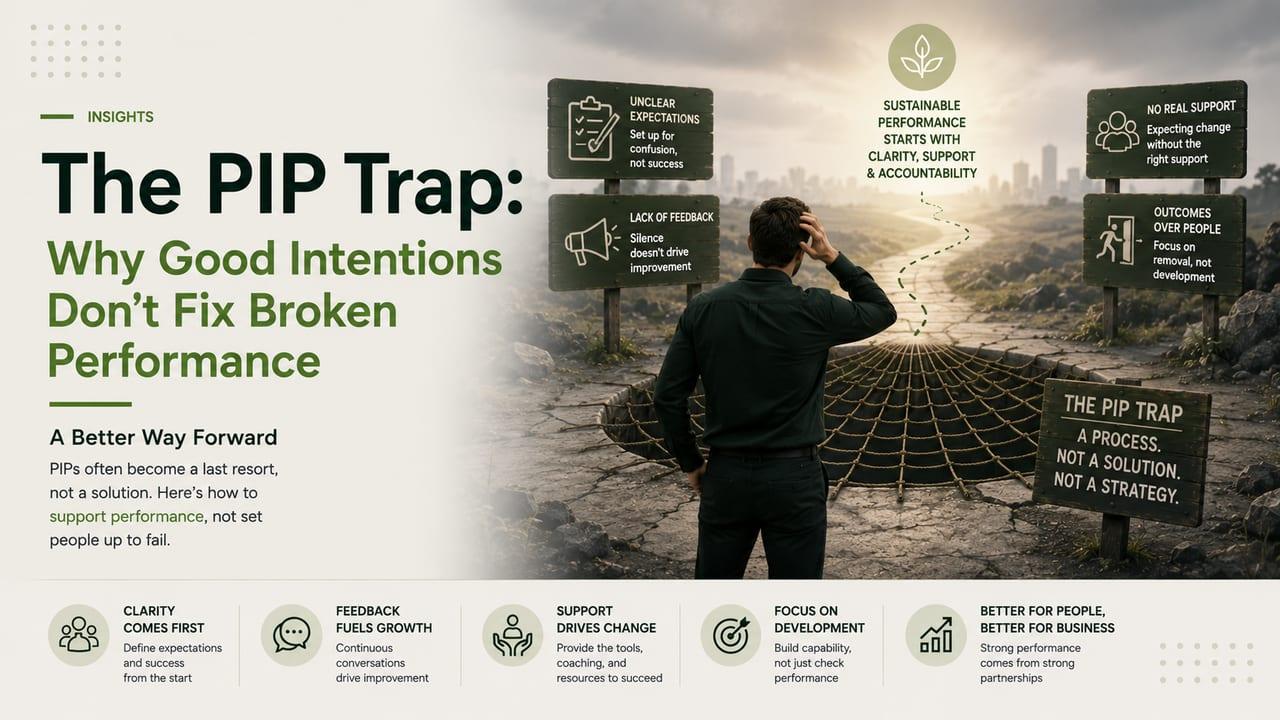
The PIP Trap: Why Most Underperformance Is Misdiagnosed
Every HR leader has a folder labeled 'performance issues' — and reaches for the same playbook: PIP, warning, exit interview, repeat. But half that folder may not be a performance problem at all. Seven moves for diagnosing underperformance before you reach for the paperwork — because sometimes it's a fit problem, a feedback problem, or a manager problem wearing an employee's name tag.
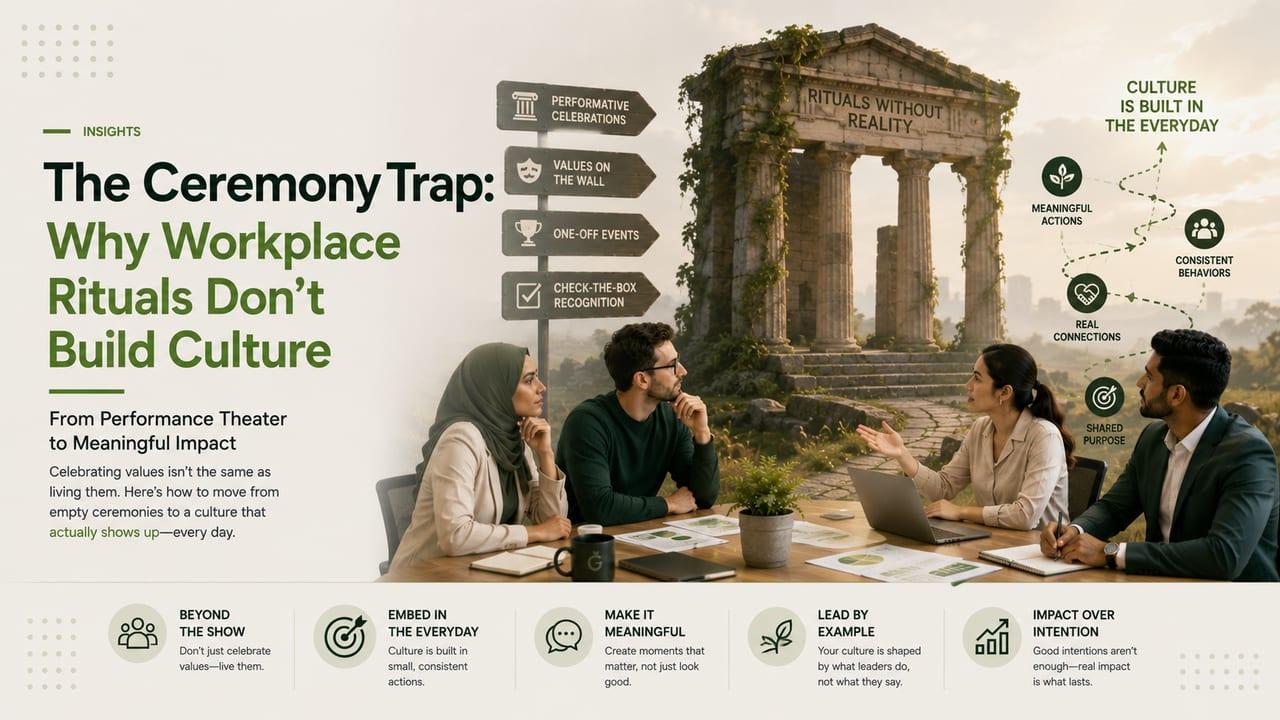
When Agile Stops Working
Most teams aren't practicing Agile anymore — they're performing it. We call it the Ceremony Trap: the standups, sprints, and retros that outlived their purpose and quietly became theater. AI didn't break Agile; it arrived with a flashlight and showed us what was already hollow. Here's how to tell whether your ceremonies still create value — or just the appearance of it.
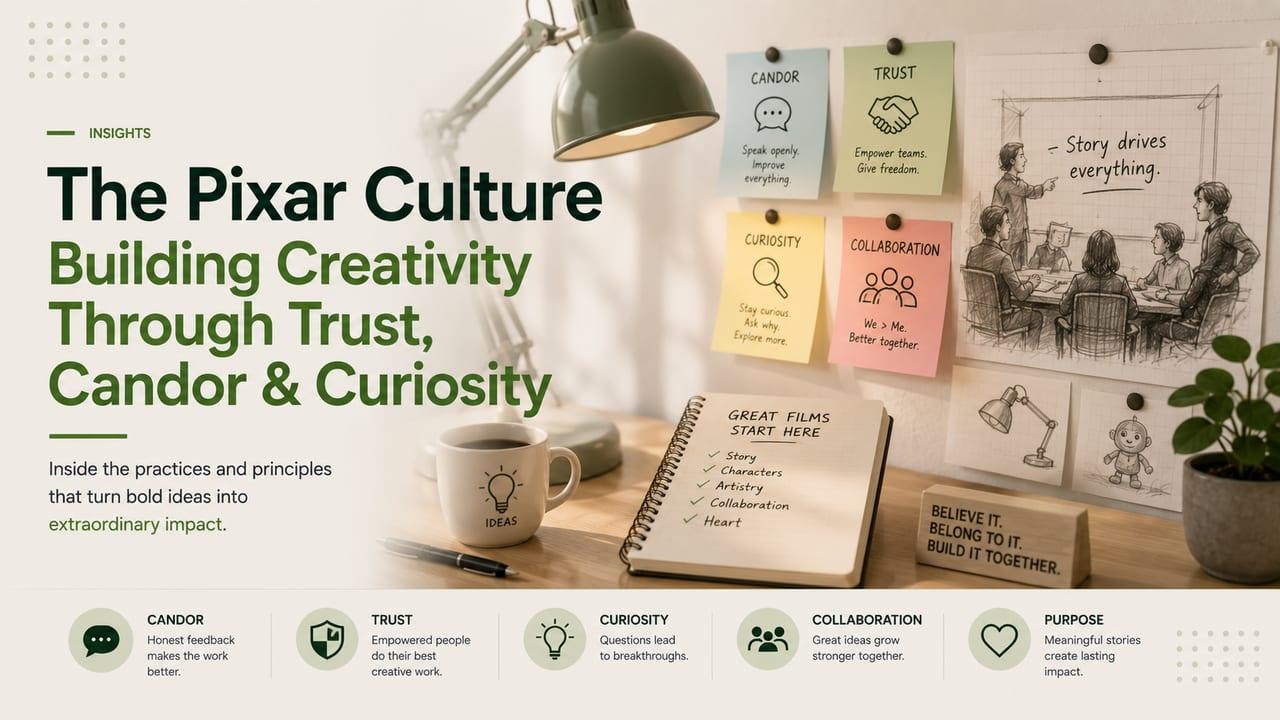
Culture at Pixar Was the True Guardian of Creativity
When a company chose to trust human creativity over the system. The story of Pixar — born a pure technology company, then discovering its real competitive edge wasn't its system but its people — and how Ed Catmull guarded its culture after the merger, through the BrainTrust.
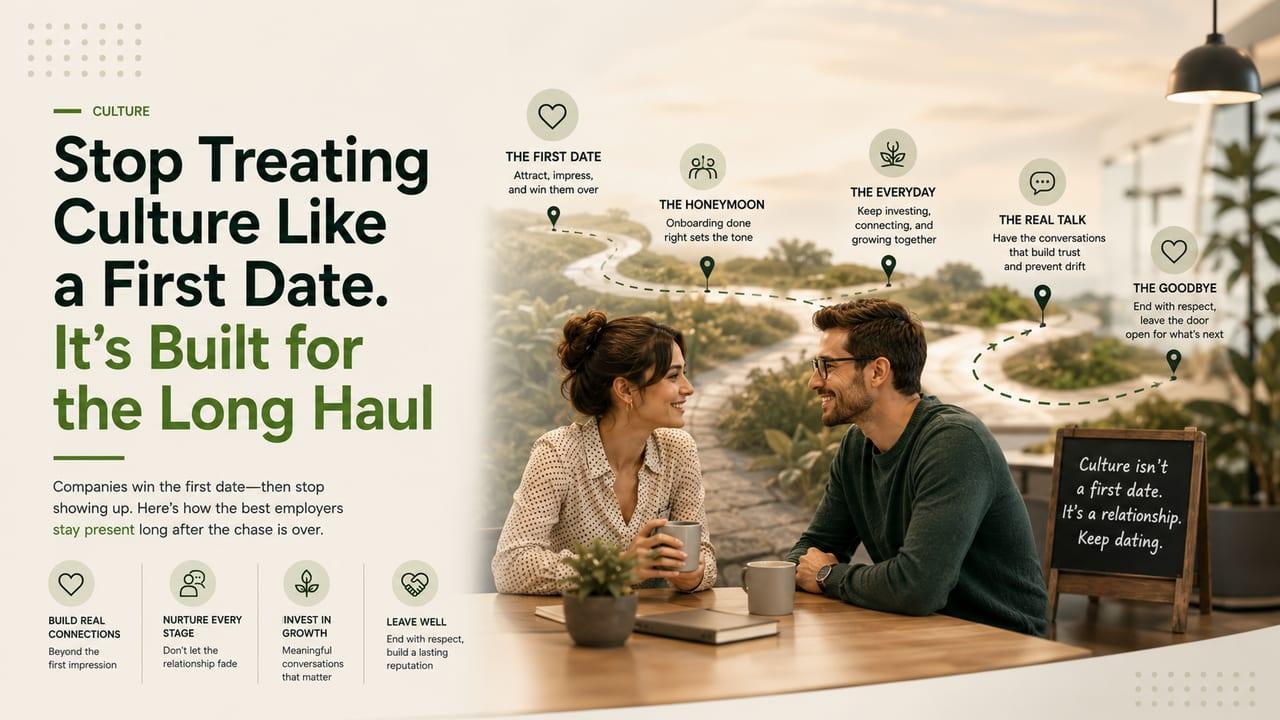
Stop Treating Culture Like a First Date. It's Built for the Long Haul
Companies pour everything into the hiring 'first date' — the polished careers page, the attentive interview loop — and then let the relationship quietly fade around month four. We don't lose people on day one; we lose them on day 743, in a relationship nobody bothered to keep dating. Here's how the best employers stay present long after the chase is over.
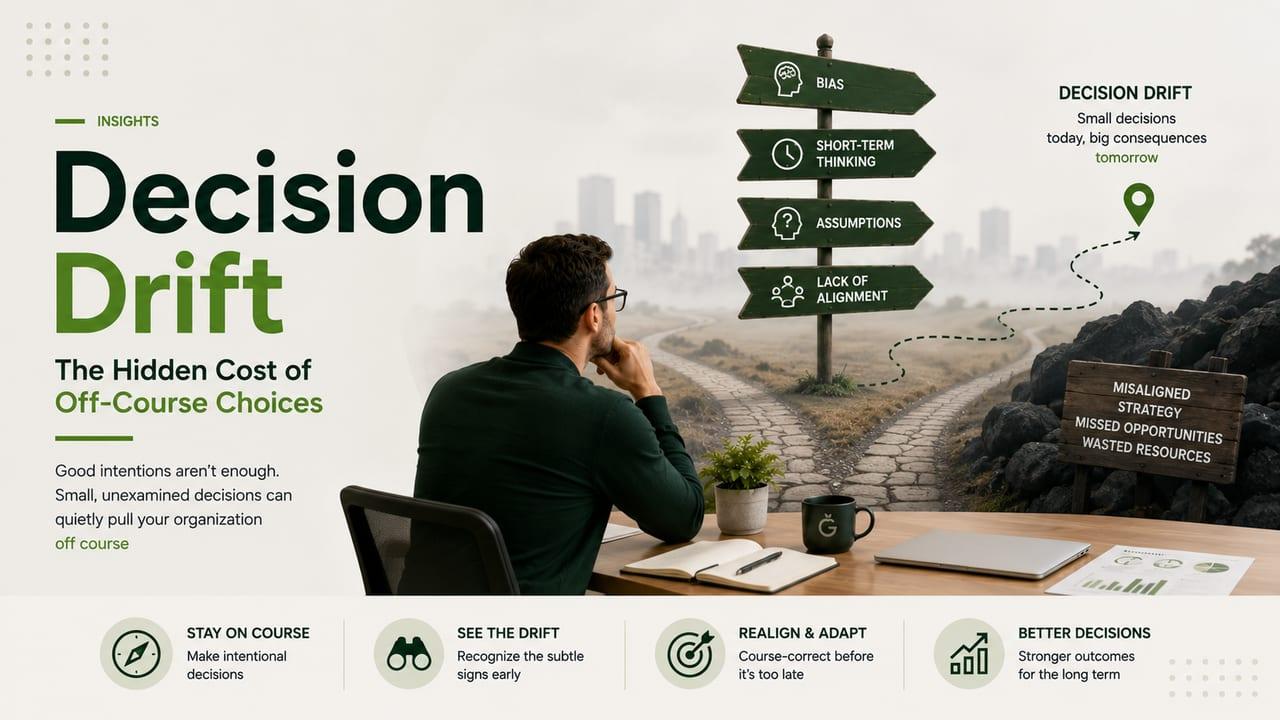
Decision Drift: Are Your People's Decisions Actually Aligned With Your Strategy?
Every leader eventually asks it: are my team's daily decisions aligned with our strategy — or my vision? The honest answer is usually neither. We call the gap Decision Drift, and it isn't lost where most leaders look for it. It's lost at the one layer nobody owns — the criteria people actually decide with.
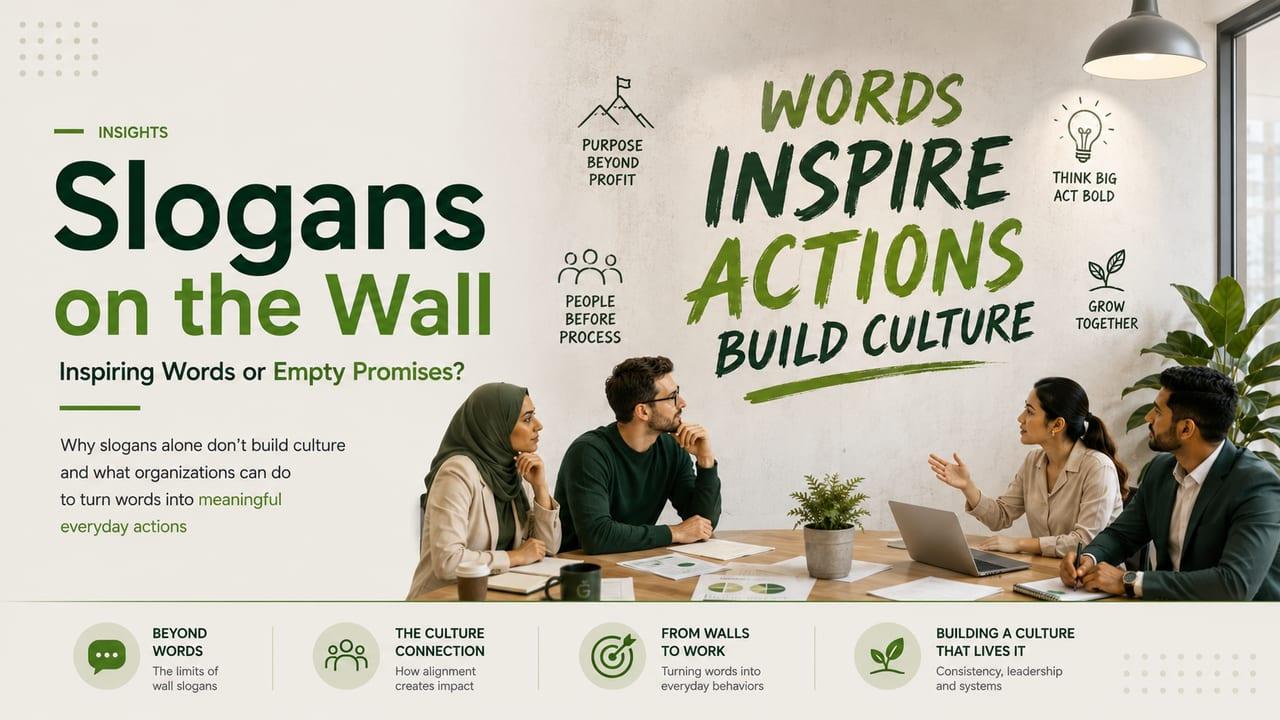
I Thought They Were Slogans on the Wall — Until I Saw People Living Them
Years ago I thought understanding a company meant reading its org chart and the values hung on its walls. Then I found the deeper layer that actually moves organizations — what they believe at their core, their ideology — and how it quietly becomes a living culture everyone inside lives by.
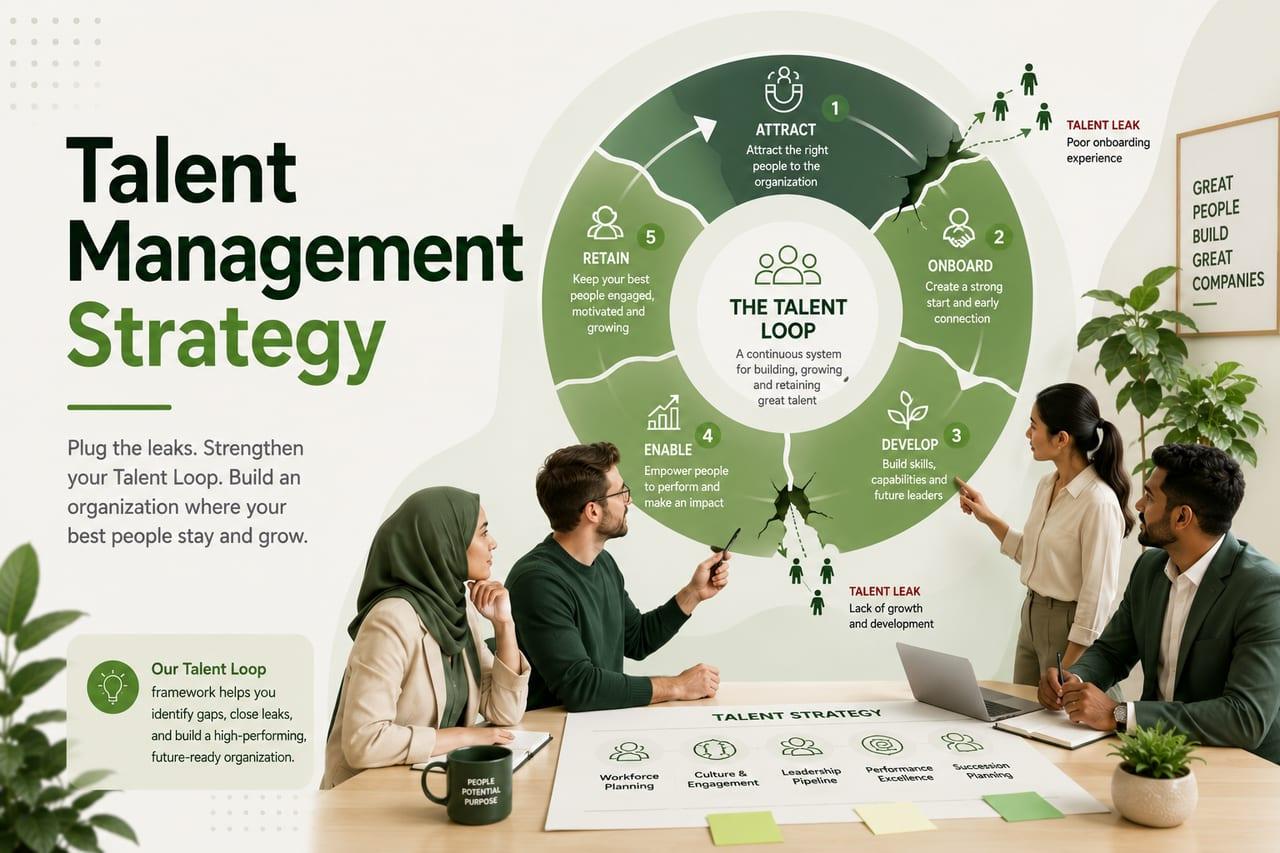
Talent Management in 2026: From Pipeline to Loop
We still run talent management like a pipeline — hire, develop, retain, in that order. But the pipeline broke. Our Skills Intelligence Loop reframes talent as something continuous: sensing the skills the business needs, building them, deploying by skill rather than title, and retaining people by making growth visible before they go looking for it elsewhere.
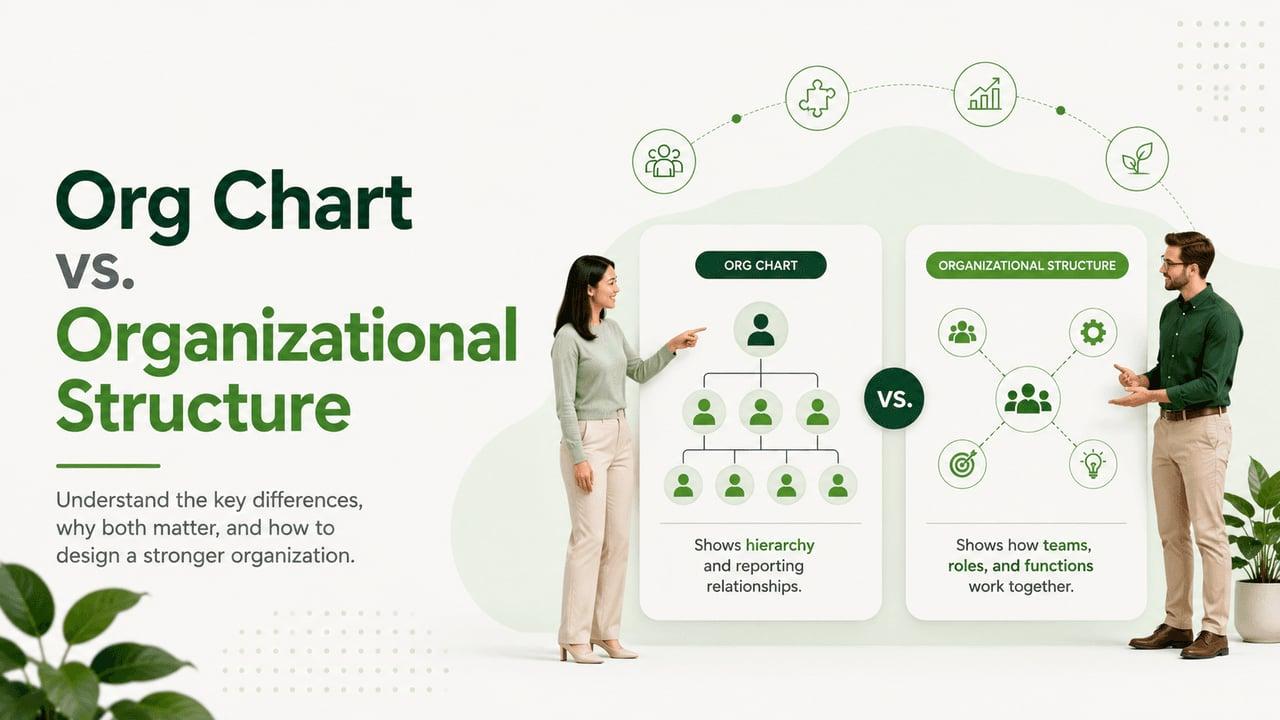
Org Chart vs. Organizational Structure: What's the Difference?
People use the terms interchangeably, but they're not the same thing. One is a picture; the other is the system the picture is trying to describe — and confusing them is where most reorganizations quietly fail.
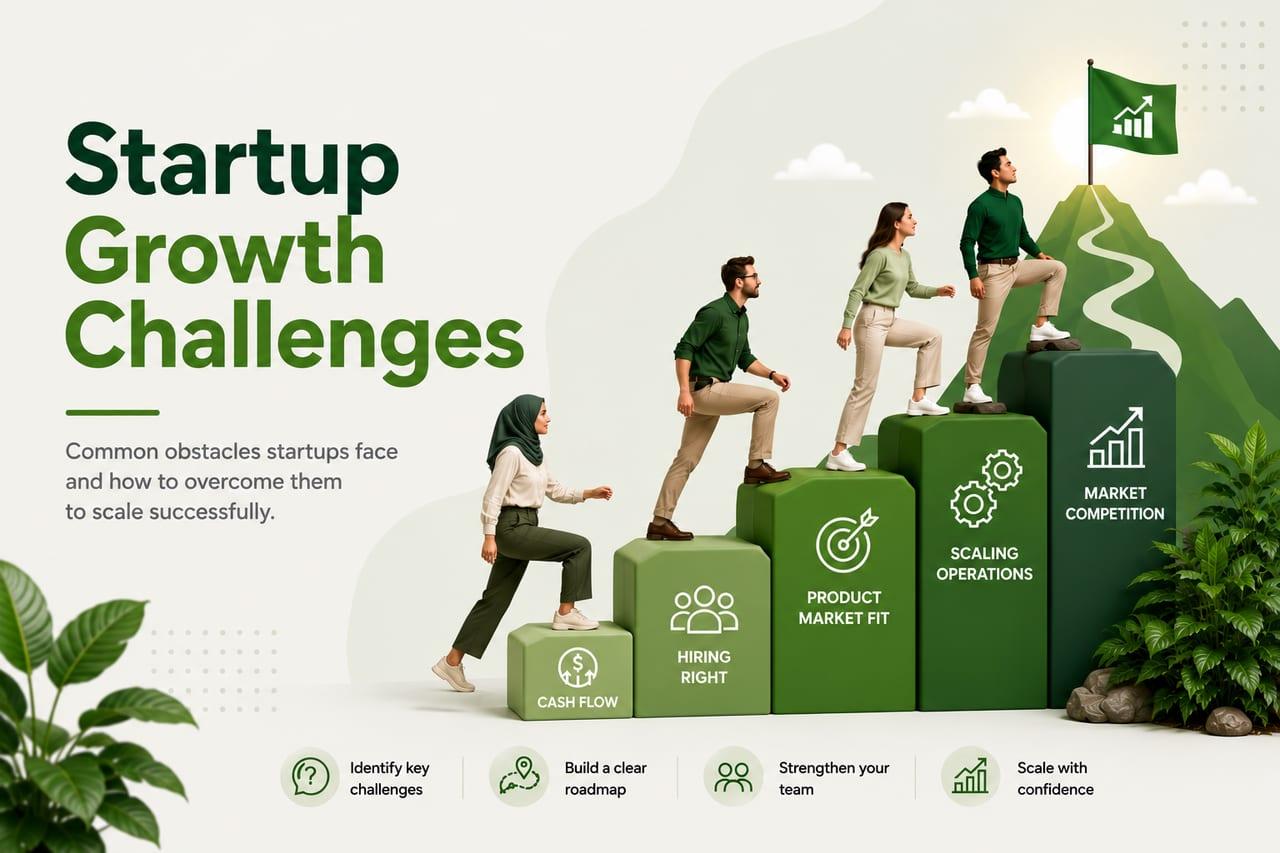
The Real Challenges of Scaling a Startup (And How to Get Ahead of Them)
The challenges that nearly break a company at 10 people are rarely the ones it faces at 100. Our 5 Scaling Friction Points framework maps where growth actually creates drag — and how to design ahead of it.
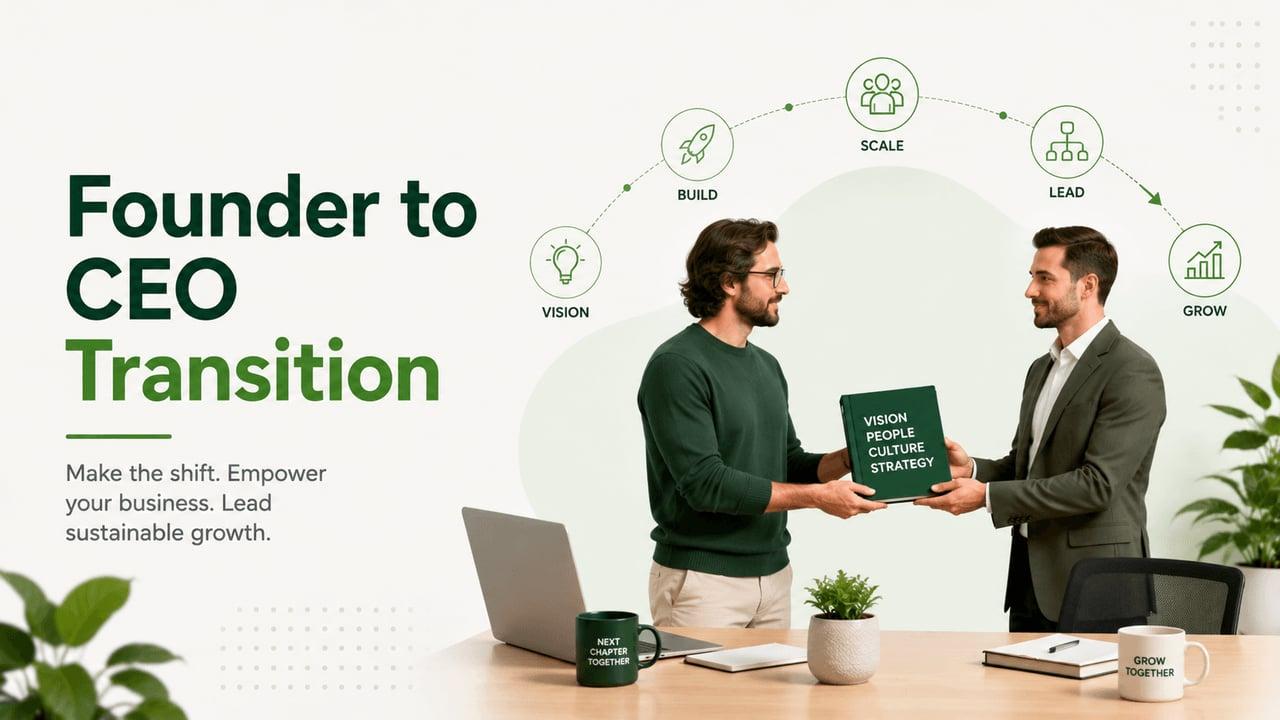
From Founder to CEO: Growing Into the Job as Your Company Grows
The hardest transition in a scaling company isn't a hire or a funding round — it's the founder's own role. Our Three Handoffs model maps the shift from doing the work to designing the system that does it.
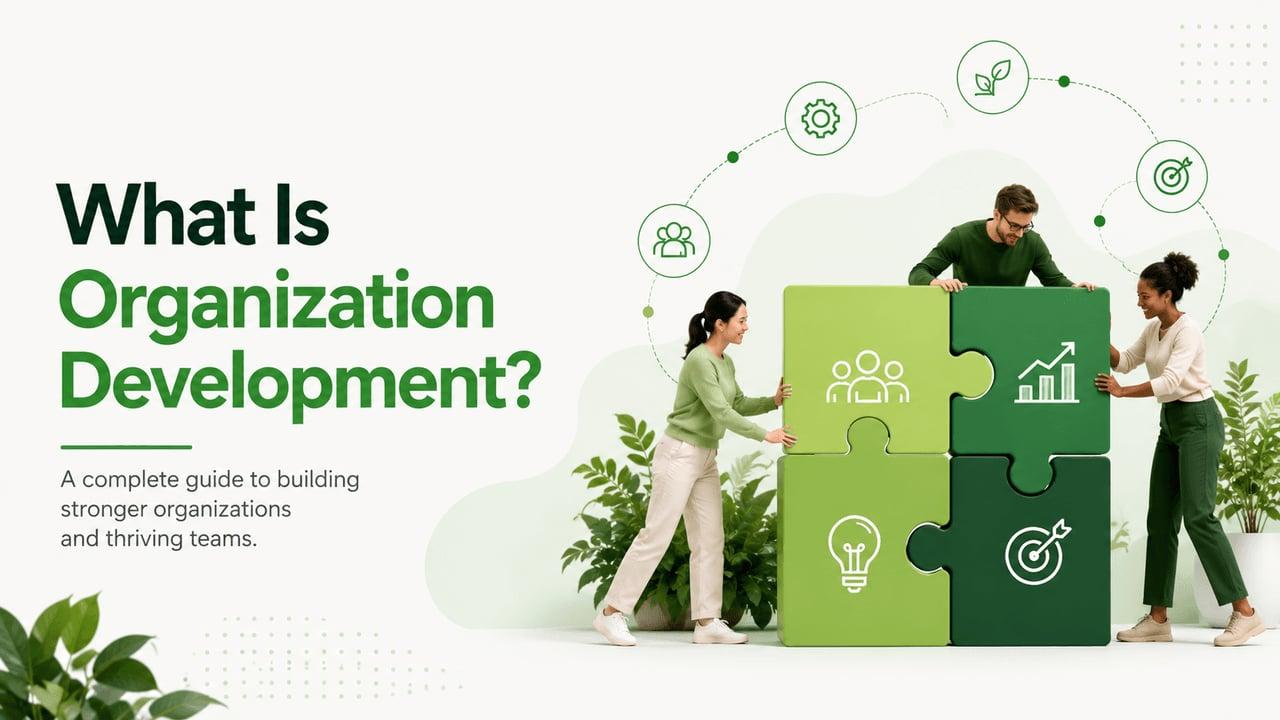
What Is Organization Development? A Practical Guide for Founders
Organization development is how a company stays itself while it grows. Our Four Foundations model makes the discipline concrete — what it is, why it matters more as you scale, and where most teams get it wrong.
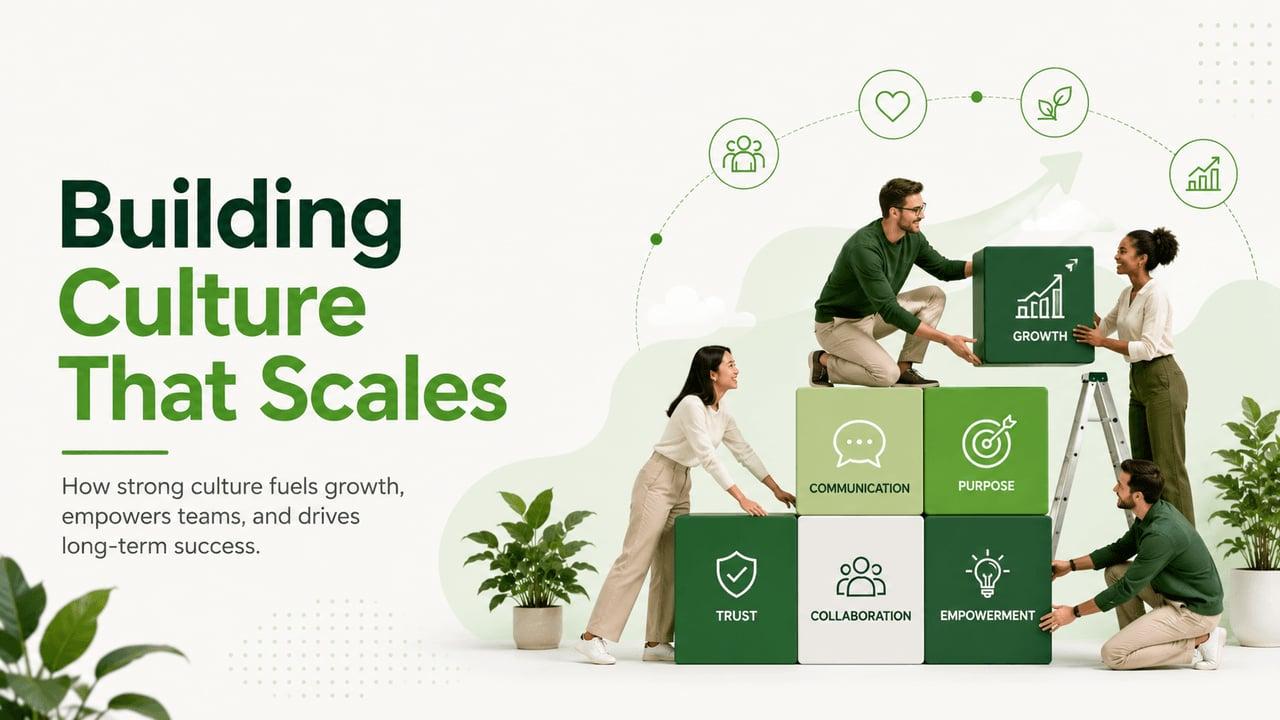
Building a Culture That Scales (Without Slowing Down)
Culture is strongest when a company is small — and most fragile exactly when it grows. Our Values → Behaviors → Systems model turns culture from a feeling into something that survives scale.

Hiring for Values, Not Just Skills
Skills get a candidate into the room; the way they work decides whether they raise the team. Our Multiplier Test reframes the hire — and a structured way to assess for it without sliding into 'people like us.'