The PIP Trap: Why Most Underperformance Is Misdiagnosed
Every HR leader has a folder labeled 'performance issues' — and reaches for the same playbook: PIP, warning, exit interview, repeat. But half that folder may not be a performance problem at all. Seven moves for diagnosing underperformance before you reach for the paperwork — because sometimes it's a fit problem, a feedback problem, or a manager problem wearing an employee's name tag.
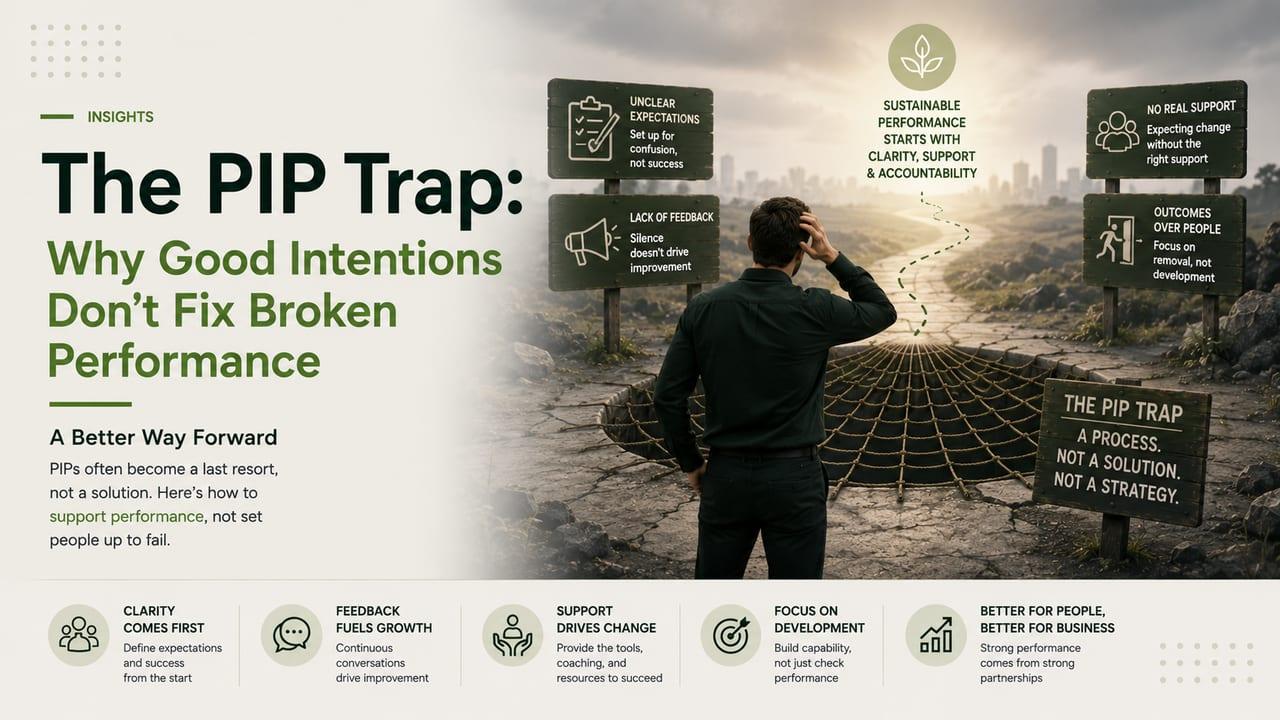
Every HR leader has a folder labeled "performance issues." And every time we open it, we reach for the same playbook: PIP (performance improvement plan), warning, exit interview, repeat.
But what if half that folder isn't a performance problem at all? What if it's a fit problem, a feedback problem, or (brace yourself) a manager problem wearing an employee's name tag?
Here are seven moves for handling underperformance that go beyond the standard PIP-and-pray approach.
How do you handle underperformance beyond PIP-and-pray?
- Diagnose Before You Prescribe. We love jumping straight to "performance improvement plan," the way some doctors jump straight to surgery. Before you write a single PIP goal, run a quick diagnostic: is this a can't do (skill gap), won't do (motivation gap), or can't do it here (fit gap)? Each needs a different prescription. Treating a motivation problem with a training course is cough syrup for a broken leg.
- Audit the Manager Before You Audit the Employee. A surprising share of "underperformance" traces back to unclear expectations or a manager who simply doesn't manage. Before any formal process starts, ask the manager three questions: What does success look like, in writing? When did you last say so, out loud? What did you do when it slipped? Vague answers usually mean you've found the real root cause.
- Replace the Annual Surprise with a 30-Day Heads-Up. Nothing erodes trust faster than an employee learning in their review that they've been "underperforming" for six months. House rule: no performance conversation should contain news. If it's news to them, that's a failure of your feedback loop, not theirs.
- Try the "Swap Test" Before the Improvement Plan. Before formalizing a PIP, ask: would this person succeed on a different team, in a different role, with a different manager? Sometimes the fix isn't more coaching — it's a different seat. Internal mobility should be your first intervention, not your last resort.
- Make Feedback a Conversation, Not a Verdict. Instead of delivering a ruling, open with curiosity: "Walk me through your week, where did things get hard?" You'll often surface blockers no KPI dashboard shows: a broken process, an unclear handoff, a tool nobody trained them on. Underperformance is sometimes just an org chart problem with a human face.
- Set a Decision Deadline — for Yourself. PIPs drag on because leaders avoid the hard call, not because employees need more time. Give yourself a firm checkpoint: by week six, you will have decided to coach further, redeploy, or part ways. Ambiguity is costly, to the employee's dignity and the team's morale.
- End Every Exit with an Honest Postmortem. When someone leaves, resist filing it under "didn't work out" and moving on. Ask what you missed in hiring, onboarding, or management. Underperformance left unexamined just resurfaces under a different name.
The Bottom Line
Underperformance isn't always a people problem. Sometimes it's a process problem, a placement problem, or a management problem in disguise. The HR leaders who get this right aren't the ones with the strictest PIP templates — they're the ones who ask better questions before reaching for the paperwork.
So before you open that folder again, sit with the one question that reframes the whole thing: what's the most surprising root cause you've ever uncovered behind an "underperformer," and what would change if you went looking for it first, instead of last?
Frequently asked questions
- What is a performance improvement plan?
- A formal process documenting performance gaps and required improvement over a set period. In practice it is often used as a documented route to an exit rather than a genuine attempt at recovery.
- Why is underperformance usually misdiagnosed?
- Because the assessment starts at the person. Unclear ownership, conflicting priorities, a manager change, or a role that quietly became a different job all produce the same symptom.
- What should you check before opening a PIP?
- Whether the person has ever succeeded in this environment, what changed around them when performance dropped, and whether anyone else in the same position is thriving. If the answer implicates the system, a PIP treats the wrong patient.
- How do you diagnose underperformance before writing a PIP?
- Ask whether it is a can't-do skill gap, a won't-do motivation gap, or a can't-do-it-here fit gap, because each needs a different response. Then audit the manager and the expectations before the employee, since vague answers there often reveal the real root cause.
- What is the swap test for underperformance?
- Before formalizing a plan, ask whether the person would succeed on a different team, in a different role, or with a different manager. If so, the fix is a different seat, and internal mobility should be your first intervention rather than your last resort.
Related articles
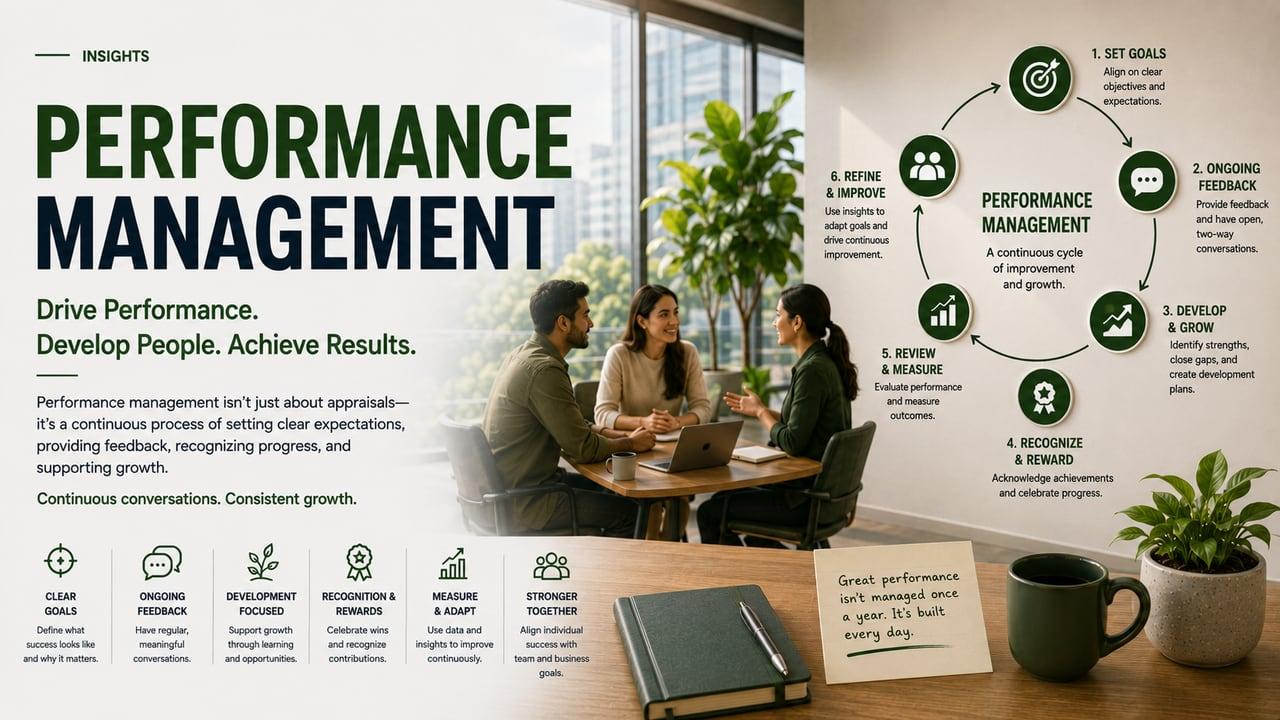 Talent ManagementPerformance Management That Doesn't Rot Into a Form6 min read
 Talent ManagementSuccession Planning When Every Critical Role Rests on One Person7 min read
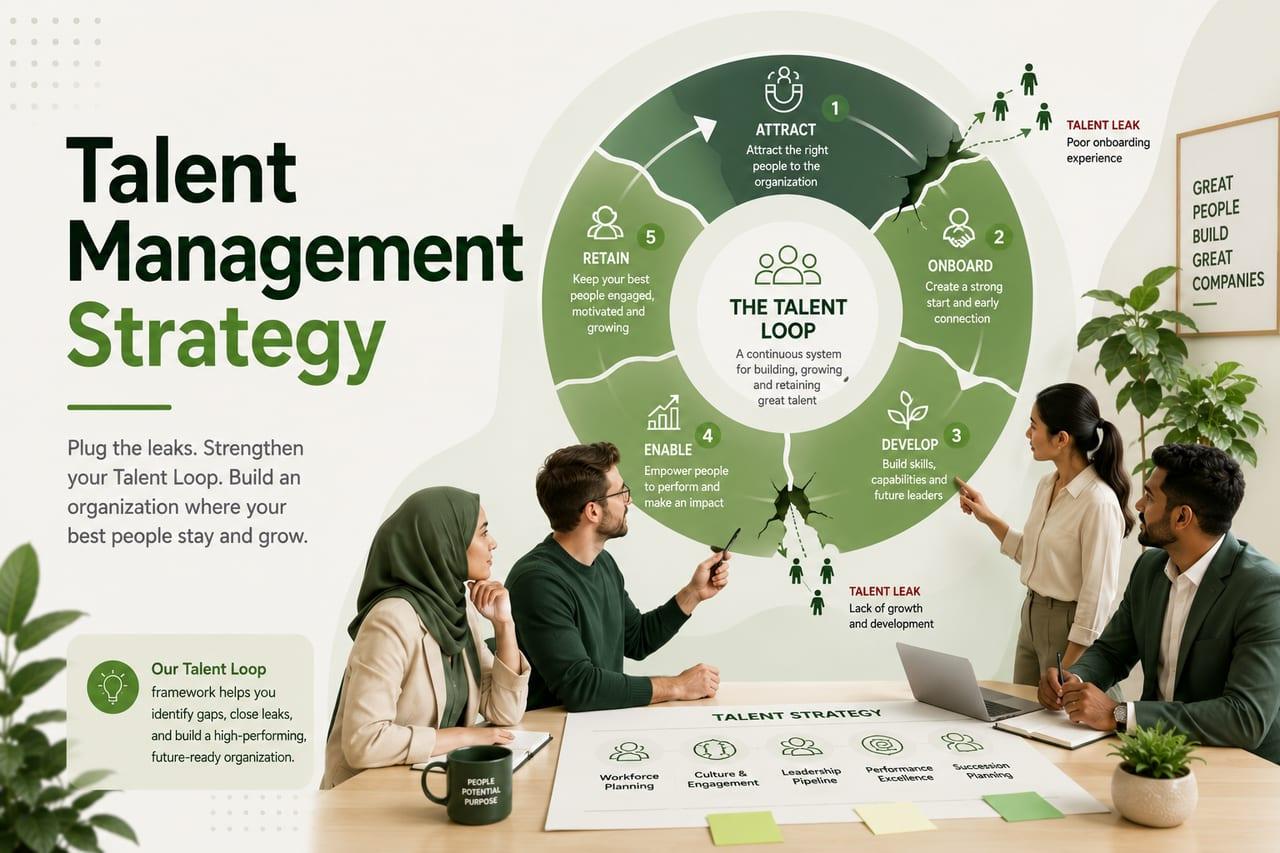 Talent ManagementTalent Management in 2026: From Pipeline to Loop7 min read
 Talent ManagementHR Department Structure by Growth Stage — Add Capability, Not Just Administrators7 min read