What Is Organization Development? A Practical Guide for Founders
Organization development is how a company stays itself while it grows. Our Four Foundations model makes the discipline concrete — what it is, why it matters more as you scale, and where most teams get it wrong.
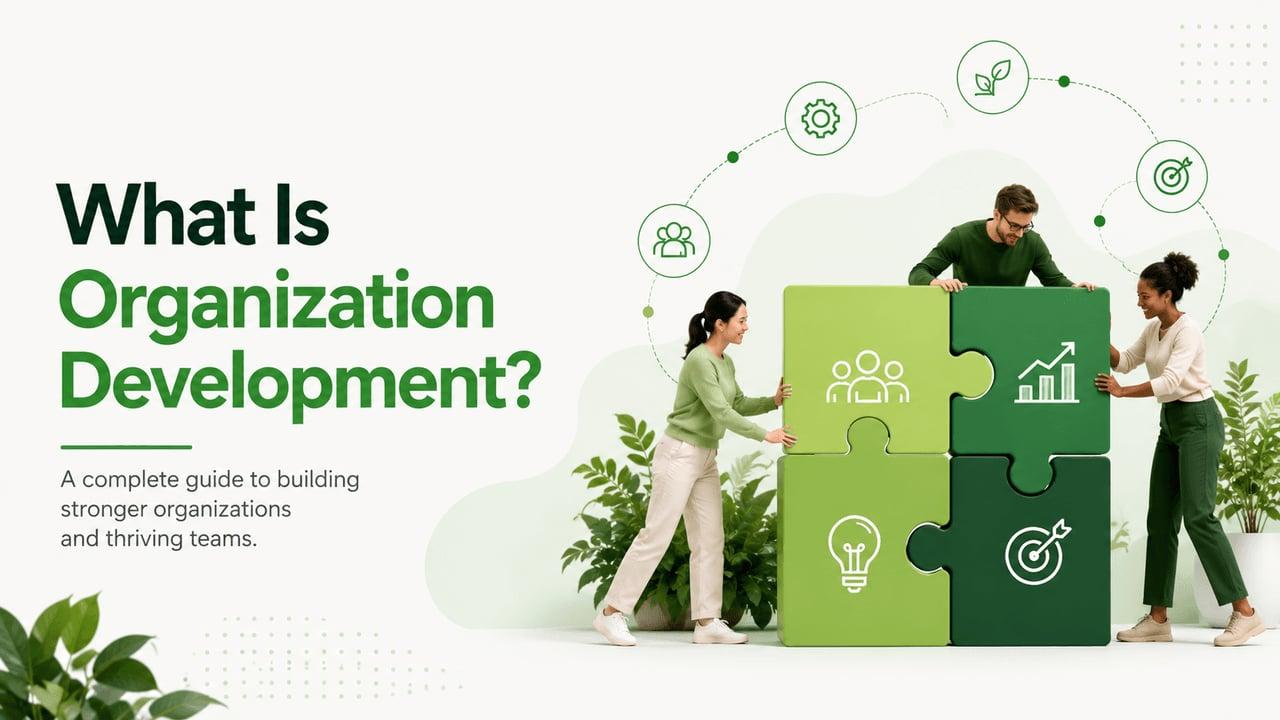
Most founders feel it before they can name it. The company that once moved as one starts to drift: two teams solve the same problem in opposite ways, new hires take months to "get it," and decisions keep bubbling back up to you. That drift has a name, and a discipline built to prevent it: organization development.
The moment it becomes real
A founder we worked with described the exact week it clicked. They'd hired well, the product was working, headcount had crossed forty — and yet everything felt heavier. "I realized I was the only thing connecting half the company," they told us. "Every time two teams needed to align, it ran through me." Nothing was broken, technically. But the company had quietly outgrown the informal alignment that lived in the founder's head, and no one had built anything to replace it.
That gap, between how the company used to coordinate and how it now needs to, is exactly what organization development fills.
What is organization development?
Organization development (OD) is the deliberate work of designing how a company is structured, how decisions get made, and how its culture is expressed, so the organization can grow without losing what makes it effective. It's a real discipline with decades of roots in planned organizational change, not a buzzword: the deliberate, ongoing design of how an organization works, rather than leaving it to accident.
It is not org charts for their own sake, and it is not a once-a-year offsite.
The Four Foundations
We make OD concrete with a simple model — the Four Foundations. Get these four right, in alignment with each other, and the company holds its shape as it grows:
- Structure — how teams, roles, and reporting lines are arranged, and where decisions sit.
- Roles — what each person owns, and how that ladders up to strategy.
- Policies & procedures — how recurring decisions get made consistently, without re-litigating them every time.
- Culture — the values and principles that guide judgment when no rule applies.
The foundations aren't independent. A bold culture wired into a rigid structure produces friction; clear roles with no shared values produce coordinated people pulling in different directions. OD is the work of keeping all four coherent with each other and with where the company is headed.
Why does organization development matter more as you scale?
At five people, OD is invisible. It lives in the founders' heads. At fifty, that informal alignment breaks down. The cost isn't dramatic; it's quiet: slower onboarding, inconsistent decisions, and a culture that fades not because anyone abandoned it, but because no one wrote it down.
The goal of organization development is simple: make "how we do things here" something everyone can feel and follow — not guess at.
This is well-trodden ground in organizational research: the informal coordination that works at small scale doesn't survive growth, and companies that don't deliberately rebuild it pay for the gap in speed and clarity. The work simply has to become explicit.
Where do teams get organization development wrong?
The most common mistake is treating OD as documentation. A binder of values nobody reads changes nothing. The work is to make those foundations live: embedded in how people are hired, how decisions are delegated, and how the company answers its own questions every day. That's the shift from writing culture down to letting it operate.
How do you start with organization development?
You don't need a transformation program. You need to make the implicit explicit, one foundation at a time:
- Name your structure honestly — not the org chart you wish you had, but where decisions actually get made today.
- Write down what each key role owns — especially the decisions, not just the tasks.
- Codify the three or four decisions you keep re-making into a simple, repeatable policy.
- Put your values into words people can act on — and then visibly hire and promote on them.
- Check alignment — do the four foundations pull in the same direction, or against each other?
Ask yourself
- If you went dark for two weeks, would the company keep making good decisions — or wait for you?
- Can a new hire find out "how we do things here" without asking a long-tenured colleague?
- Are your values written somewhere people actually use, or just on a wall?
- Which of the Four Foundations is furthest behind the size you are now?
The takeaway
Organization development isn't bureaucracy, and it isn't a binder. It's how a company stays itself while it grows, by deliberately designing the structure, roles, policies, and culture that used to live in the founders' heads. Do it a little ahead of the growth curve, and scale amplifies what makes you good. Ignore it, and growth quietly erodes it.
Frequently asked questions
- What is organization development?
- The practice of improving how an organization is designed and how it works: structure, roles, decision rights, culture, and capability, treated as one system rather than separate projects.
- How is it different from HR?
- HR runs the employment relationship; OD changes the conditions people work inside. They overlap, but an OD problem is rarely solved by a policy.
- When does a company need OD?
- Usually when effort stops converting into output: decisions slow down, the same issues resurface, and good people start describing the company differently from each other.
- What are the Four Foundations of organization development?
- Structure, roles, policies and procedures, and culture. The Four Foundations are the elements OD keeps deliberately designed and coherent with each other, so a company holds its shape as it grows rather than drifting.
- Why do most organization development efforts fail?
- The common mistake is treating OD as documentation. A binder of values nobody reads changes nothing. The work is to make the foundations live in how people are hired, how decisions are delegated, and how the company answers its own questions daily.
Related articles
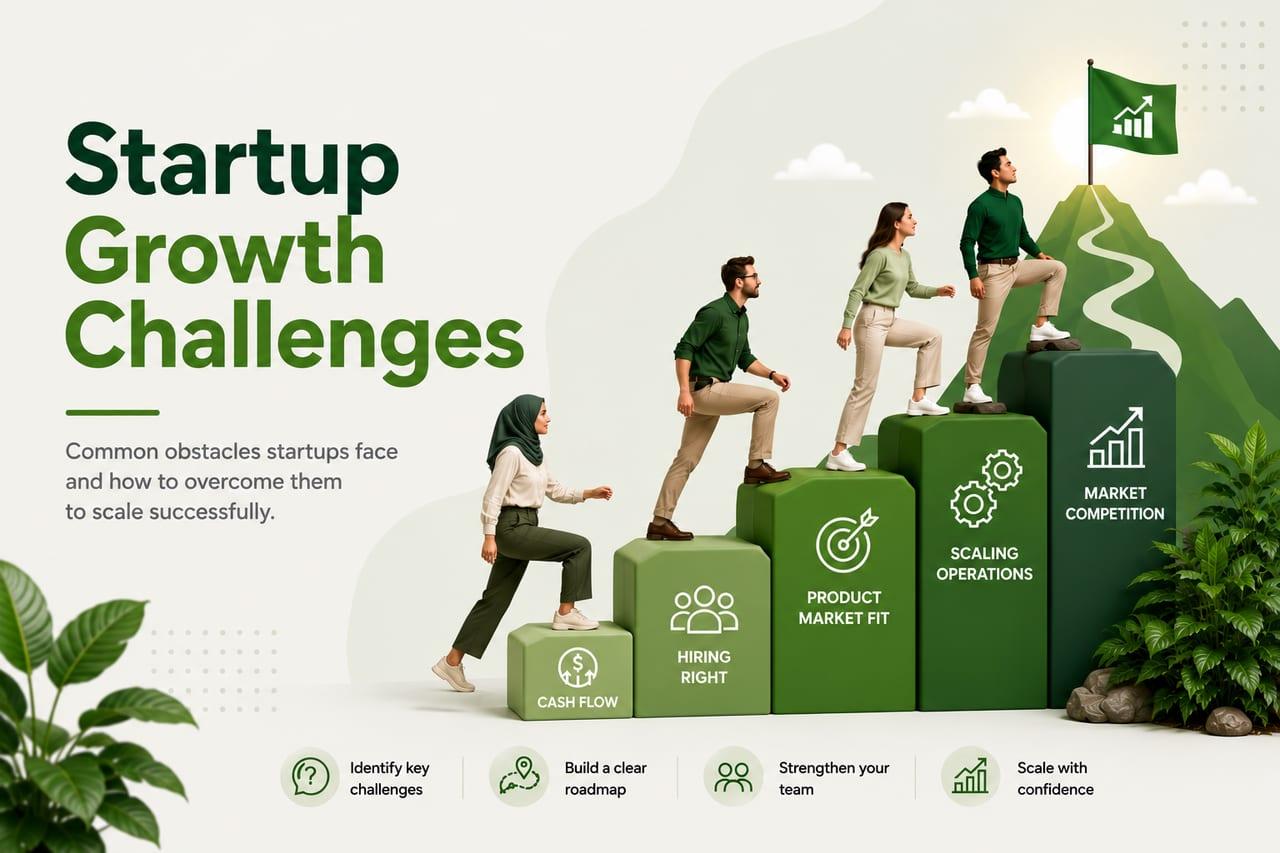 Organization DevelopmentThe Real Challenges of Scaling a Startup (And How to Get Ahead of Them)5 min read
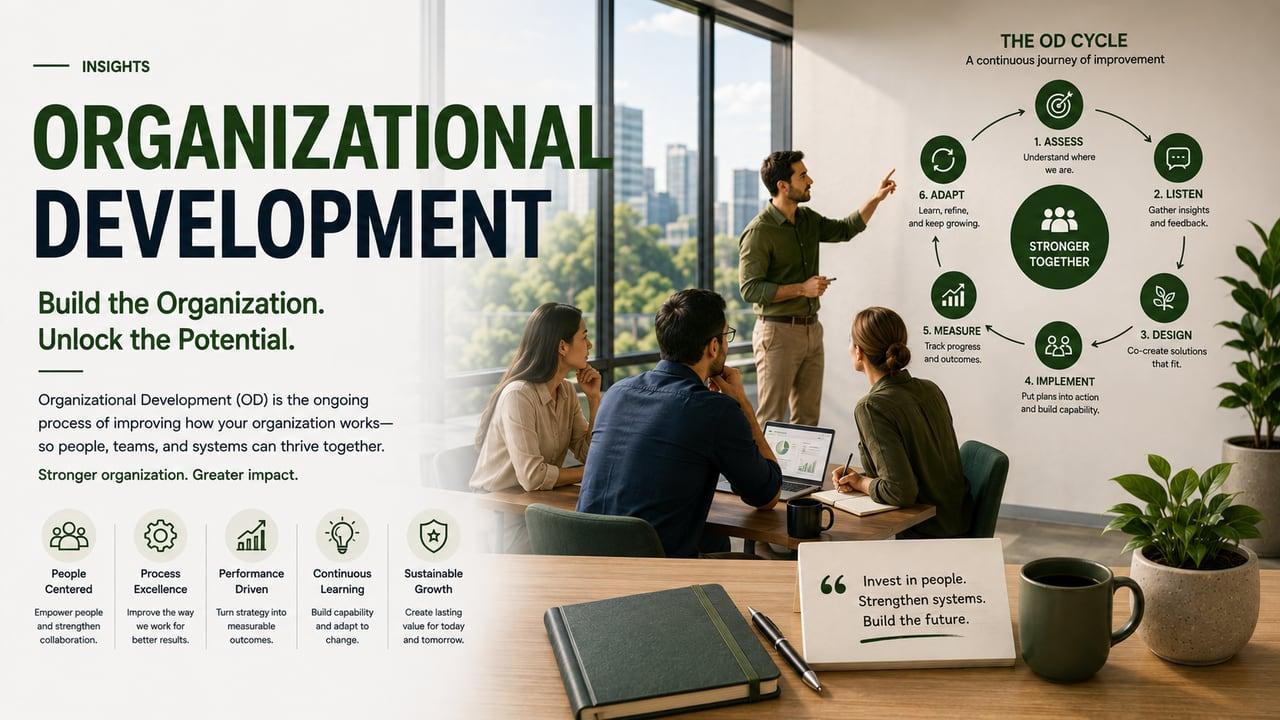 Organization DevelopmentOrganizational Development Strategies for High-Performing Companies5 min read
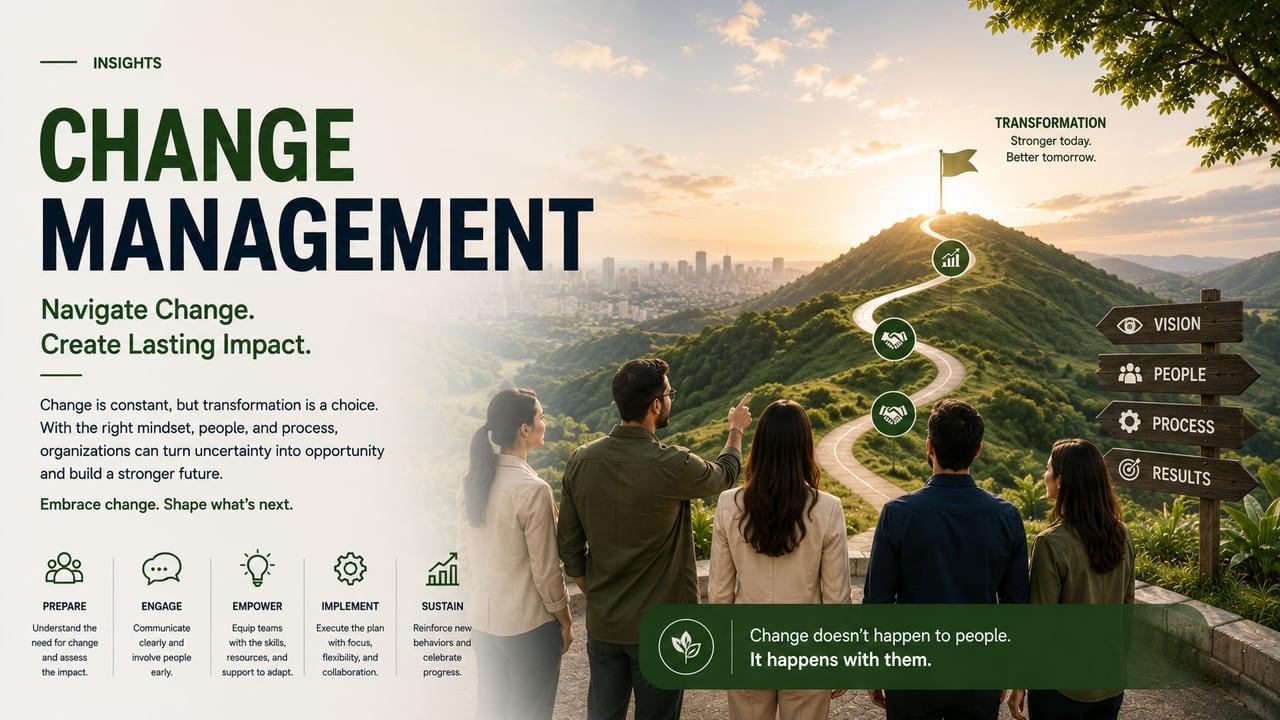 Organization DevelopmentChange Management: Why Most Change Fails in the Middle6 min read
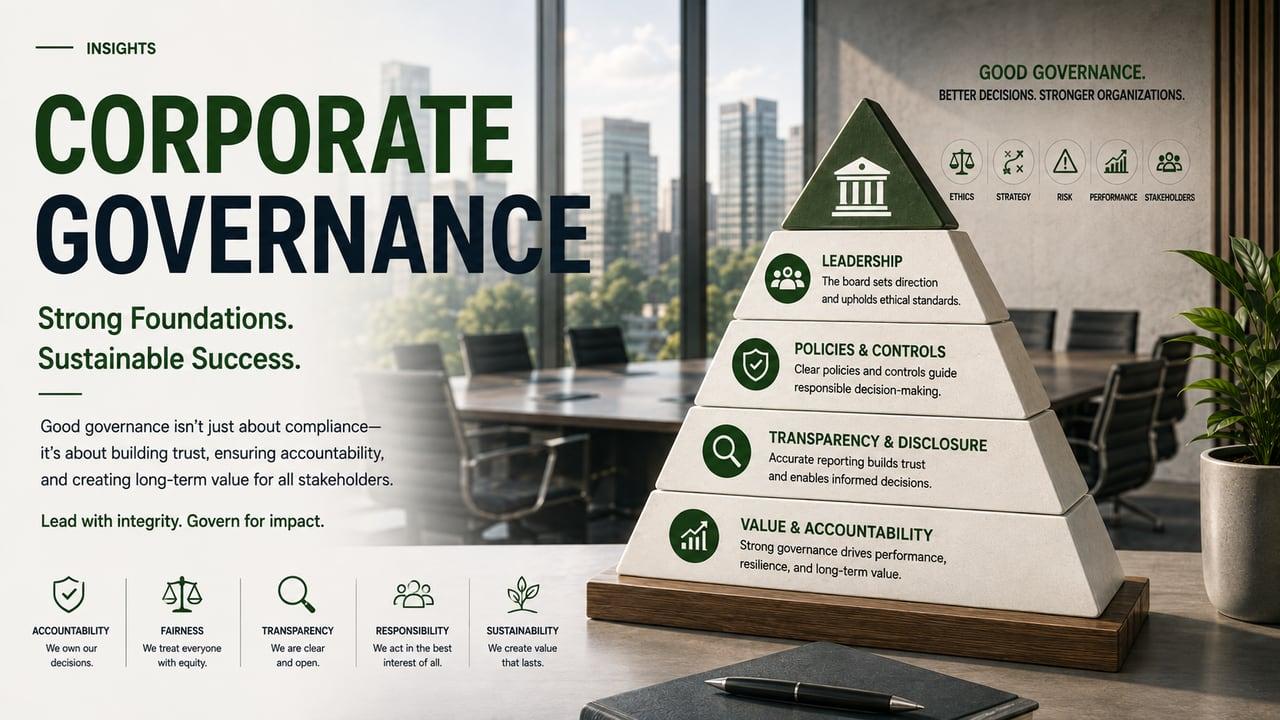 Organization DevelopmentCorporate Governance for Growing Companies: More Than Compliance5 min read