People Strategy ഒരു HR Document അല്ല. അതൊരു Business Model ആണ്.
മിക്ക 'people strategies'-ഉം strategies അല്ല — അവ strategy-യുടെ വേഷമിട്ട activity calendars ആണ്. business bet-ൽ നിന്ന് backward ആയി ഒന്ന് പണിയാനുള്ള, ഏത് business-critical system പണിയുമ്പോലെയും ചെയ്യാവുന്ന, step-by-step model: bet-ന് പേരിടുക, ശരിക്കും ജയിക്കുന്ന 2-3 capabilities തിരഞ്ഞെടുക്കുക, build-buy-borrow-or-bot തീരുമാനിക്കുക, എന്നിട്ട് ഒരു annual survey പോലെയല്ല, ഒരു product പോലെ അതിനെ instrument ചെയ്യുക.
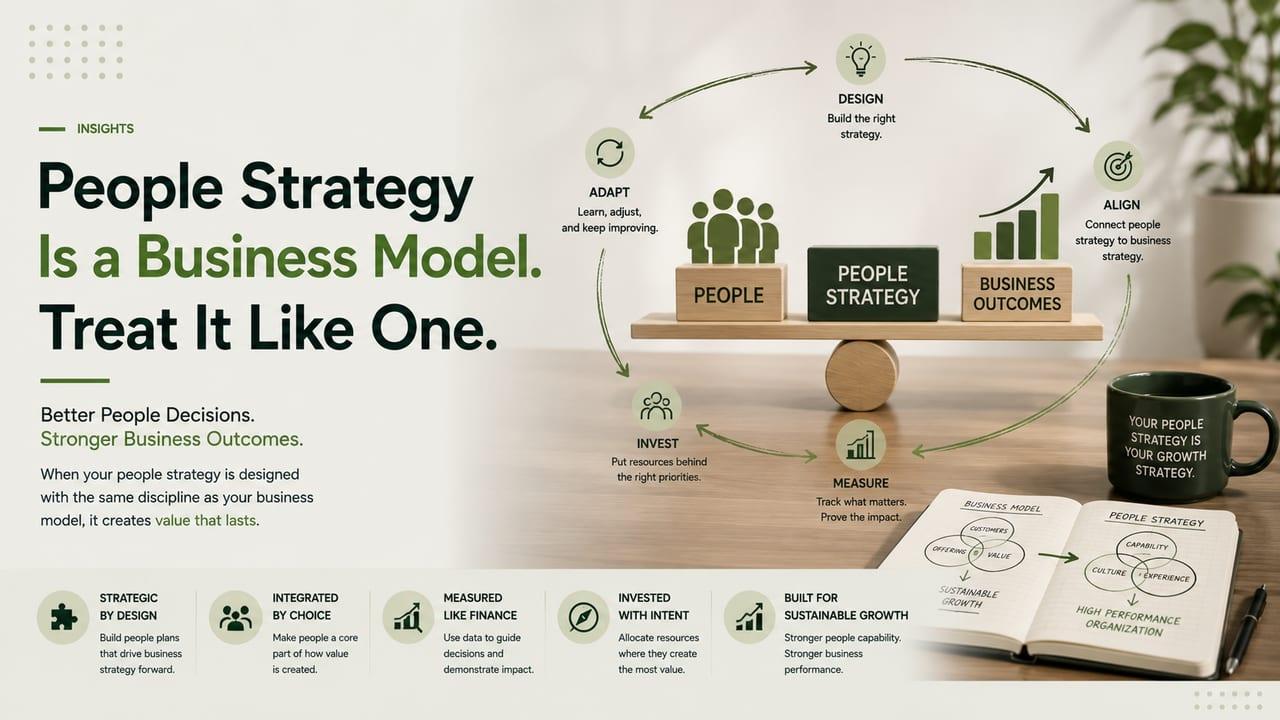
മിക്ക "people strategies"-ഉം strategies അല്ല. അവ strategy-യുടെ ഒരു വേഷമിട്ട activity calendars ആണ് — hiring plans ഉള്ള ഒരു slide, ഒരു engagement survey cadence, ഒരു learning catalog, ഒരു values poster, എല്ലാം ഒന്നിച്ച് stapled ചെയ്ത് വർഷത്തിലൊരിക്കൽ board-ന് മുന്നിൽ വെക്കുന്നു.
അതൊരു strategy അല്ല. ഒരു strategy എന്നാൽ നിങ്ങൾ എങ്ങനെ ജയിക്കും, അത് ജയിക്കാൻ എന്ത് ബോധപൂർവം ചെയ്യില്ല എന്നതിനെക്കുറിച്ചുള്ള ഒരുകൂട്ടം choices ആണ്. ആ definition വെച്ച് നോക്കിയാൽ, മിക്ക കമ്പനികൾക്കും ഒരു people strategy ഇല്ല. അവർക്കുള്ളത് ഒരു HR plan ആണ്.
ഇത് കേൾക്കുന്നതിലും കൂടുതൽ matter ചെയ്യുന്നു. LSA Global-ന്റെ organizational alignment research കണ്ടെത്തിയത്, ആളുകൾ strategy-യോട് എത്ര നന്നായി aligned ആണ് എന്നത് high- ഉം low-performing കമ്പനികൾ തമ്മിലുള്ള performance gap-ന്റെ 60% വരും എന്നാണ് — എന്നിട്ടും LSA-യുടെ culture-assessment data കാണിക്കുന്നത് ഏതാണ്ട് 70% employees-ഉം തങ്ങളുടെ കമ്പനിയുടെ strategy തന്നെ unclear അല്ലെങ്കിൽ unknown ആണെന്ന് പറയുന്നു എന്നാണ്. ആ gap ഒരു HR problem അല്ല. അത് HR function-ൽ താമസിക്കാൻ ഇടയായ ഒരു business problem ആണ്.
ഈ article, മറ്റേത് business-critical system-ഉം പണിയുമ്പോലെ — HR org chart-ൽ നിന്നല്ല, business problem-ൽ നിന്ന് തുടങ്ങി — ഒരു people strategy പണിയാനുള്ള step-by-step model ആണ്.
The Tell: People Strategy തന്നെ Business Strategy ആകുമ്പോൾ
Microsoft internally ഏറെക്കാലം അറിയപ്പെട്ടിരുന്നത് stack ranking-ന്റെ പേരിലായിരുന്നു — team യഥാർത്ഥത്തിൽ എങ്ങനെ ചെയ്തു എന്നത് നോക്കാതെ, ഓരോ cycle-ലും തങ്ങളുടെ team-ന്റെ ഒരു നിശ്ചിത പങ്കിനെ underperformers ആയി label ചെയ്യാൻ managers-നെ നിർബന്ധിച്ച ഒരു system. ഫലം, ആളുകൾ അടുത്തിരിക്കുന്ന ആളെ സഹായിക്കുന്നതിന് പകരം സ്വന്തം scores സംരക്ഷിക്കുന്ന ഒരു culture ആയിരുന്നു — അടുത്ത bet, scale-ലുള്ള cloud, ഇതിന്റെ നേർവിപരീതത്തെ ആശ്രയിച്ച ഒരു കമ്പനിയിൽ.
ആ curve 2013 നവംബറിൽ, അന്നത്തെ CEO Steve Ballmer-ന്റെ കീഴിൽ — Satya Nadella 2014 ഫെബ്രുവരിയിൽ ഏറ്റെടുക്കുന്നതിന് മാസങ്ങൾക്ക് മുമ്പ് — ഉപേക്ഷിക്കപ്പെട്ടു. പക്ഷേ stack ranking അവസാനിപ്പിക്കുക എന്നതായിരുന്നു എളുപ്പമുള്ള ഭാഗം; അതിനെ strategy ആക്കിയത് Nadella അതിന് മുകളിൽ പണിതതാണ്. അയാൾ തുടങ്ങിയത് ഒരു engagement survey-യിലോ ഒരു values refresh-ലോ അല്ല. അയാൾ തുടങ്ങിയത് business bet-ൽ നിന്നാണ്: Microsoft ഒരു mobile-first, cloud-first ലോകത്തേക്ക് നീങ്ങുകയായിരുന്നു, അതായത് work കൂടുതലായും cross-team-ഉം, fast-moving-ഉം, അനിവാര്യമായും collaborative-ഉം ആകും. അതുകൊണ്ട് people system അതിനോട് match ചെയ്യാൻ മാറണമായിരുന്നു. Performance conversations relative ranking-ന് പകരം impact, potential, mobility എന്നിവയിലേക്ക് മാറി. Org product-line silos-ൽ നിന്ന് shared capabilities-ന് ചുറ്റും പണിത teams-ലേക്ക് നീങ്ങി. ഇതൊന്നും business strategy-യിലേക്ക് കൂട്ടിച്ചേർത്ത ഒരു culture initiative ആയിരുന്നില്ല — ആളുകൾ എങ്ങനെ hire ചെയ്യപ്പെട്ടു, rank ചെയ്യപ്പെട്ടു, reward ചെയ്യപ്പെട്ടു എന്നതിൽ express ചെയ്യപ്പെട്ട, അത് തന്നെ ആയിരുന്നു business strategy.
ഫലം, ഒരു ദശകത്തിന് ശേഷം: Microsoft-ന്റെ market value 2014-ന്റെ തുടക്കത്തിലെ ഏതാണ്ട് $300 billion-ൽ നിന്ന് ഏതാണ്ട് $3 trillion-ലേക്ക് വളർന്നു, Azure cloud-ൽ AWS-ന് ഒരു യഥാർത്ഥ challenger ആയി — പഴയ ranking system നിശ്ശബ്ദമായി ശിക്ഷിച്ചുകൊണ്ടിരുന്ന ആ collaborative behavior തന്നെ കൃത്യമായി ആവശ്യപ്പെട്ട ഒരു bet. ശ്രദ്ധിക്കേണ്ട pattern അതാണ്: കമ്പനി culture fix ചെയ്തിട്ട് strategy ശരിയാക്കിയതല്ല. ആ people changes ആയിരുന്നു strategy execute ചെയ്യപ്പെട്ട വഴി.
എല്ലാ people strategy-യെയും ഇതോട് ചേർത്ത് നോക്കേണ്ട standard ഇതാണ്: "ഇങ്ങനെയാണ് ഞങ്ങൾ hire, rank, promote ചെയ്യുന്നത്" എന്നതിൽ നിന്ന് "ഇതാണ് ഞങ്ങൾ ജയിക്കാൻ ശ്രമിക്കുന്ന specific business bet" എന്നതിലേക്ക് നിങ്ങൾക്ക് ഒരു നേർരേഖ trace ചെയ്യാൻ കഴിയുമോ? മിക്ക കമ്പനികൾക്കും കഴിയില്ല. ആ gap അടയ്ക്കാനാണ് ഈ article-ന്റെ ബാക്കി ഭാഗം പണിതിരിക്കുന്നത്.
മിക്ക People Strategies-ഉം എന്തുകൊണ്ട് പരാജയപ്പെടുന്നു?
People strategy പണിയുന്ന conventional വഴി ഇങ്ങനെയാണ്: HR സ്വന്തം functions നോക്കുന്നു — recruiting, L&D, comp, engagement, culture — എന്നിട്ട് "ഈ വർഷം ഞങ്ങൾ എന്ത് improve ചെയ്യണം?" എന്ന് ചോദിക്കുന്നു. പിന്നെ function by function ഒരു plan പണിത് ആ plans-ന്റെ ആകെത്തുകയെ ഒരു "strategy" എന്ന് വിളിക്കുന്നു. നമ്മൾ എല്ലാവരും ആ deck-ലൂടെ ഇരുന്നുപോയിട്ടുണ്ട്. അത് competent ആണ്. അത് ഒരു strategy അല്ലതാനും.
പ്രശ്നം, ഈ process ഒരിക്കലും ഒരു കാര്യത്തെ to-do list-ന് പകരം strategy ആക്കുന്ന ആ ഒറ്റ ചോദ്യം ചോദിക്കുന്നില്ല എന്നതാണ്: ഇന്ന് ഇല്ലാത്ത എന്താണ് business-ന് അതിന്റെ ആളുകളിൽ നിന്ന് ശരിക്കും വേണ്ടത്?
HR functions-ൽ നിന്ന് bottom-up ആയി പണിത ഒരു people strategy എപ്പോഴും അതേ generic answers-ലേക്ക് തന്നെ converge ചെയ്യും — better engagement, better retention, better leadership development, better DEI metrics — business യഥാർത്ഥത്തിൽ എന്ത് ചെയ്യുന്നു എന്നത് നോക്കാതെ. ഒരു fintech startup-ന്റെയും ഒരു logistics company-യുടെയും "people strategy" deck പരസ്പരം swap ചെയ്താൽ വ്യത്യാസം ഏതാണ്ട് ശ്രദ്ധിക്കില്ല. അതാണ് the tell. നിങ്ങളുടെ people strategy ഒരു വേറെ കമ്പനിയിലും അതേപോലെ കാണപ്പെടുമെങ്കിൽ, അത് ഒരു strategy അല്ല — അത് HR best practices-ന്റെ ഒരു list ആണ്.
ഒരു യഥാർത്ഥ people strategy വായിക്കുമ്പോൾ അത് നിങ്ങളുടെ കമ്പനിക്ക് മാത്രമേ ഉൾപ്പെടാൻ കഴിയൂ എന്ന് തോന്നും, കാരണം അത് ഒരു generic HR playbook-ൽ നിന്നല്ല, നിങ്ങളുടെ competitive bet-ൽ നിന്ന് derive ചെയ്തതാണ്.
The Business-Back Model: ഒരു യഥാർത്ഥ People Strategy പണിയാൻ 6 Steps
Step 1 — Direction reverse ചെയ്യുക: HR Calendar-ൽ നിന്നല്ല, Business Strategy-യിൽ നിന്ന് തുടങ്ങുക
ഒരൊറ്റ people initiative എഴുതുന്നതിന് മുമ്പ്, plain business language-ൽ ഒരു ചോദ്യത്തിന് ഉത്തരം നൽകൂ: ഈ കമ്പനി എങ്ങനെ ജയിക്കാൻ ഉദ്ദേശിക്കുന്നു, ആ bet പണം തരാൻ നമ്മുടെ ആളുകളെക്കുറിച്ച് എന്ത് true ആയിരിക്കണം?
കമ്പനിയുടെ bet ഒരു പുതിയ category-യിലെ speed-to-market ആണെങ്കിൽ, people implication ambiguity-യോടുള്ള tolerance-ഉം, മുകളിലേക്കല്ല താഴേക്ക് push ചെയ്ത decision rights-ഉം ആണ്. Bet scale-ലുള്ള operational excellence ആണെങ്കിൽ, implication standardization-ഉം, deep bench strength-ഉം, variance-നോടുള്ള low tolerance-ഉം ആണ്. ഇവ വിപരീത people strategies ഉണ്ടാക്കുന്നു. Hiring profiles, performance systems, meetings എങ്ങനെ നടത്തുന്നു എന്നതുവരെ — bet-നെ ആശ്രയിച്ച് എല്ലാം വ്യത്യസ്തമായി കാണപ്പെടണം.
The out-of-the-box move: business strategy തീരുമാനിക്കപ്പെടുന്ന room-ൽ ഇരിക്കൂ, അത് നിങ്ങൾക്ക് പിന്നീട് explain ചെയ്യപ്പെടുന്ന room-ൽ അല്ല. People & Culture strategy formation-ൽ present ആകുന്നതിന് പകരം strategy-യെക്കുറിച്ച് briefed ആകുകയാണെങ്കിൽ, നിങ്ങൾ shape ചെയ്യാത്ത ഒരു തീരുമാനത്തിന് എപ്പോഴും support systems പണിയുകയായിരിക്കും — people strategy execution ആയി, strategy ആയല്ല, treat ചെയ്യപ്പെട്ടുകൊണ്ടിരിക്കുന്നതിന്റെ structural reason അതാണ്.
Step 2 — Battles തിരഞ്ഞെടുക്കുക: ശരിക്കും ജയിക്കുന്ന 3 Capabilities Define ചെയ്യുക
മിക്ക people strategies-ഉം എല്ലാത്തിലും നന്നാകാൻ ശ്രമിക്കുന്നു: hiring, retention, engagement, culture, learning, DEI, succession — എല്ലാം "priority" എന്ന് rated. എല്ലാത്തിനും priority കൊടുക്കുന്ന ഒരു strategy ഒന്നിനും priority കൊടുക്കുന്നില്ല.
പകരം, നിങ്ങളുടെ specific competitive bet-ന് ശരിക്കും load-bearing ആയ 2-3 organizational capabilities identify ചെയ്യൂ — അവ weak ആണെങ്കിൽ, ബാക്കിയെല്ലാം എത്ര നല്ലതായാലും strategy fail ആകുന്ന അവ. ബാക്കിയെല്ലാത്തിനും ബോധപൂർവം ഒരു "good enough" standard കിട്ടുന്നു. ഇത് product strategy-യുടെ അതേ logic ആണ്: നിങ്ങൾ ഓരോ feature-ഉം best-in-class ആയി പണിയില്ല; differentiate ചെയ്യുന്നത് തിരഞ്ഞെടുത്ത് അത് ruthlessly നന്നായി പണിയുന്നു.
The out-of-the-box move: നിങ്ങൾ mediocre ആകാൻ തിരഞ്ഞെടുക്കുന്നതെന്താണെന്ന് explicit ആയി പേരിടൂ. "ഞങ്ങൾ ബോധപൂർവം X-ന് വേണ്ടി optimize ചെയ്യുന്നില്ല" എന്ന് പറയാത്ത ഒരു people strategy യഥാർത്ഥ trade-offs ഉണ്ടാക്കുന്നില്ല — trade-offs ഇല്ലാത്ത ഒരു document ഒരു strategy അല്ലതാനും.
Step 3 — Build, Buy, Borrow, or Bot തീരുമാനം Explicit ആക്കുക
Step 2-ൽ identify ചെയ്ത ഓരോ capability-ക്കും, ബോധപൂർവം തീരുമാനിക്കൂ: development-ലൂടെ internally അത് build ചെയ്യുമോ, hiring-ലൂടെ buy ചെയ്യുമോ, contractors/partners-ലൂടെ borrow ചെയ്യുമോ, അതോ — കൂടുതൽ കൂടുതൽ relevant ആകുന്നതുപോലെ — AI-യും tooling-ഉം വഴി automate ചെയ്യുമോ. മിക്ക കമ്പനികളും മറ്റ് മൂന്ന് options ഒരിക്കലും test ചെയ്യാതെ "അതിന് വേണ്ടി hire ചെയ്യുക" എന്നതിലേക്ക് default ആകുന്നു, അത് ആരും ബോധപൂർവം തീരുമാനിച്ചില്ലെങ്കിലും, time-to-hire-ഉം headcount budget-ഉം ആണ് strategy execution-ന്റെ യഥാർത്ഥ constraint എന്ന് നിശ്ശബ്ദമായി ആക്കിമാറ്റുന്നു.
ഇവിടെയാണ് AI-powered talent platforms-ഉം (skills-intelligence-ഉം internal-mobility tools-ഉം, ഉദാഹരണത്തിന്) ആ calculus മാറ്റാൻ തുടങ്ങുന്നത് — നിങ്ങൾ reflexively external-ലേക്ക് പോകുന്നതിന് മുമ്പ് കമ്പനിക്കുള്ളിൽ ഇതിനോടകം നിലവിലുള്ള capability surface ചെയ്യുന്നു. ഈ തീരുമാനത്തിന്റെ ഭാഗമായി ഒരു deliberate നോട്ടത്തിന് അർഹമാണ്, പിന്നീട് കൂട്ടിച്ചേർത്ത ഒരു side project ആയല്ല.
The out-of-the-box move: ഈ തീരുമാനം ഒരൊറ്റ company-wide hiring philosophy ആയല്ല, capability-by-capability ആയി run ചെയ്യൂ. നിങ്ങളുടെ core differentiating capability-ക്കുള്ള ശരിയായ ഉത്തരം ("build") പലപ്പോഴും ഒരു supporting one-ന് തെറ്റായ ഉത്തരമായിരിക്കും ("borrow" അല്ലെങ്കിൽ "bot").
Step 4 — Org Chart മാത്രമല്ല, Operating System Design ചെയ്യുക
ഒരു org chart ആരാണ് ആരോട് report ചെയ്യുന്നത് എന്ന് കാണിക്കുന്നു. തീരുമാനങ്ങൾ യഥാർത്ഥത്തിൽ എങ്ങനെ എടുക്കപ്പെടുന്നു, information എത്ര വേഗത്തിൽ നീങ്ങുന്നു, ആർക്കാണ് no പറയാനുള്ള authority എന്നതിനെക്കുറിച്ച് അത് ഒന്നും പറയുന്നില്ല. മിക്ക "people strategies"-ഉം structure-ൽ നിന്നുപോകുന്നു, operating mechanics-ലേക്ക് ഒരിക്കലും എത്തുന്നില്ല — beautifully designed ആയ ഒരു org chart-ന് അപ്പോഴും ഒരു slow, political, frustrating കമ്പനി ഉണ്ടാക്കാൻ കഴിയുന്നതിന്റെ കൃത്യമായ കാരണവും അതാണ്.
Explicit ആയി define ചെയ്യൂ: തീരുമാനങ്ങൾ എവിടെ എടുക്കപ്പെടുന്നു (ഏത് level-ൽ)? Strategy-യെ ജീവനോടെ നിലനിർത്തുന്ന rhythm-ന്റെ cadence എന്താണ് — weekly, monthly, quarterly — അതിൽ ആരൊക്കെ room-ൽ ഉണ്ട്? എന്താണ് locally resolve ചെയ്യപ്പെടുന്നതിന് പകരം automatically escalate ചെയ്യപ്പെടുന്നത്? ബാക്കി strategy-ക്ക് യഥാർത്ഥത്തിൽ നീങ്ങാൻ കഴിയുമോ എന്ന് നിർണ്ണയിക്കുന്ന glamour ഇല്ലാത്ത infrastructure layer ആണിത്.
The out-of-the-box move: ഒരു hiring plan-ന്റെ അതേ rigor-ഓടെ, decision rights-നെ people strategy-യുടെ ഒരു deliverable ആയി treat ചെയ്യൂ. മിക്ക കമ്പനികൾക്കും അവരുടെ headcount plan വിശദമായി പറയാൻ കഴിയും, പക്ഷേ ഒരു $50K തീരുമാനം approve ചെയ്യാൻ ആർക്കാണ് authority ഉള്ളത് എന്ന് ഒറ്റ വാക്യത്തിൽ പറയാൻ കഴിയില്ല. ആ ambiguity ഒരു operations footnote അല്ല, ഒരു people strategy failure ആണ്.
Step 5 — Culture-നെ ഒരു Poster ആയല്ല, ഒരു Operating Mechanism ആയി Engineer ചെയ്യുക
Culture സാധാരണ എഴുതപ്പെടുന്നത് aspirational വാക്കുകളുടെ ഒരു list ആയാണ് — "innovative," "collaborative," "customer-obsessed" — ഒരു ചുമരിൽ print ചെയ്ത്, ഒന്നുകൊണ്ടും reinforce ചെയ്യപ്പെടാതെ. ആളുകൾ എങ്ങനെ hire ചെയ്യപ്പെടുന്നു, promote ചെയ്യപ്പെടുന്നു, പണം കിട്ടുന്നു, let go ചെയ്യപ്പെടുന്നു എന്നതിലേക്ക് embed ചെയ്യപ്പെടാത്ത culture വെറും branding ആണ്.
Fix mechanical ആണ്: നിങ്ങളുടെ 3-5 യഥാർത്ഥ stated values എടുത്ത് ഓരോന്നും മൂന്ന് filters-ലൂടെ run ചെയ്യൂ — അത് ഒരു hiring filter ആണോ (ഞങ്ങൾ അതിന് screen ചെയ്യുന്നുണ്ടോ)? അത് ഒരു promotion filter ആണോ (inconvenient ആയാലും ഞങ്ങൾ അതിന് reward ചെയ്യുന്നുണ്ടോ)? അത് ഒരു exit filter ആണോ (performance നോക്കാതെ, ഒരാൾ അത് violate ചെയ്യുമ്പോൾ ഞങ്ങൾ act ചെയ്യുന്നുണ്ടോ)? മൂന്ന് filters-ഉം survive ചെയ്യാത്ത ഒരു value ഒരു യഥാർത്ഥ value അല്ല — അത് ഒരു poster ആണ്.
Quantum Workplace-ന്റെ 2025 Workplace Trends research ഇത് നേരിട്ട് ശരിവെക്കുന്നു: business യഥാർത്ഥത്തിൽ എങ്ങനെ operate ചെയ്യുന്നു എന്നതിൽ നിന്ന് disconnected ആയ culture pressure-ന് കീഴിൽ erode ആകുന്നു — scaling, leadership turnover, shifting priorities — ഒരിക്കൽ അത് എത്ര strong ആയിരുന്നാലും. Culture എഴുതിവെച്ചതല്ല. അത് reward ചെയ്യപ്പെടുന്നതാണ്.
The out-of-the-box move: നിങ്ങളുടെ stated values-നോട് ചേർത്ത് അവസാനത്തെ 10 promotions-ഉം അവസാനത്തെ 5 involuntary exits-ഉം audit ചെയ്യൂ. Pattern poster-മായി match ചെയ്യുന്നില്ലെങ്കിൽ, നിങ്ങൾക്ക് ഒരു culture problem അല്ല — ഒരു people strategy problem ആണ്, കാരണം system യഥാർത്ഥത്തിൽ incentivize ചെയ്യുന്നതിന്റെ downstream ആണ് culture.
Step 6 — Once-a-Year Survey ആയല്ല, ഒരു Product പോലെ Instrument ചെയ്യുക
മിക്ക people strategies-ഉം വർഷത്തിലൊരിക്കൽ ഒരു engagement survey-യും ഒരു turnover number-ഉം വഴി measure ചെയ്യപ്പെടുന്നു — നിങ്ങൾക്ക് act ചെയ്യാമായിരുന്ന സമയം ഏറെ കഴിഞ്ഞ്, എന്തോ ഇതിനോടകം തെറ്റിപ്പോയി എന്ന് പറയുന്ന രണ്ട് lagging indicators.
ഒരു product team ഒരു roadmap-നെ treat ചെയ്യുന്നതുപോലെ people strategy-യെ treat ചെയ്യൂ: lagging metrics confirm ചെയ്യുന്നതിന് മുമ്പ് strategy work ചെയ്യുന്നുണ്ടോ എന്ന് predict ചെയ്യുന്ന 3-5 leading indicators define ചെയ്യൂ (ഉദാ. നിങ്ങൾ ഏറ്റവും matter ചെയ്യുന്നു എന്ന് പറഞ്ഞ capabilities-ന്റെ internal mobility rate, manager-to-direct-report ratio drift, ഒരു open requisition-ൽ നിന്ന് capability deploy ചെയ്യപ്പെടാനുള്ള സമയം — വെറും time to fill അല്ല). അവയെ annually അല്ല, ഒരു cadence-ൽ review ചെയ്യൂ. ശീലംകൊണ്ട് അടുത്ത വർഷം വീണ്ടും run ചെയ്യുന്നതിന് പകരം work ചെയ്യാത്തത് kill ചെയ്യൂ.
The out-of-the-box move: revenue-ക്കോ product-നോ കിട്ടുന്ന അതേപോലെ people strategy-ക്ക് ഒരു quarterly business review കൊടുക്കൂ — അതേ scrutiny-ഓടെ, അതേ "എന്ത് മാറി എന്തുകൊണ്ട്"-ഓടെ, work ചെയ്യാത്തത് cut ചെയ്യാനുള്ള അതേ authority-ഓടെ.
The Checklist: ഇത് ഒരു People Strategy ആണോ അതോ HR Plan ആണോ?
ഇത് board-ലേക്ക് പോകുന്നതിന് മുമ്പ്, document-നെ ഈ ആറ് lines-നോട് ചേർത്ത് run ചെയ്യൂ. ഓരോന്നും ഒരു വാക്യത്തിൽ answer ചെയ്യാൻ കഴിയണം — ഒരു paragraph എടുക്കുന്നുവെങ്കിൽ, അത് ഇതുവരെ തീരുമാനിക്കപ്പെട്ടിട്ടില്ല.
- Business bet-ന് പേരിട്ടിട്ടുണ്ട്. "growth" അല്ല — specific bet (new category, operational scale, premium positioning) എന്നതും അത് ആളുകളിൽ നിന്ന് എന്ത് ആവശ്യപ്പെടുന്നു എന്നതും.
- 2-3 capabilities-ന് പേരിട്ടിട്ടുണ്ട്, ഞങ്ങൾ ബോധപൂർവം priority കൊടുക്കാത്തത് എന്താണ് എന്നതും.
- ഓരോ capability-ക്കും ഒരു build, buy, borrow, or bot തീരുമാനം attach ചെയ്തിട്ടുണ്ട് — "അതിന് വേണ്ടി hire ചെയ്യുക" എന്ന ഒരു default അല്ല.
- Decision rights എഴുതിവെച്ചിട്ടുണ്ട്, ആർക്ക് എന്ത് approve ചെയ്യാം, ഏത് dollar അല്ലെങ്കിൽ risk threshold-ൽ എന്നതുൾപ്പെടെ.
- ഓരോ stated value-ഉം hiring, promotion, exit test survive ചെയ്തിട്ടുണ്ട് — വെറും onboarding deck അല്ല.
- ഒരു cadence-ൽ review ചെയ്യപ്പെടുന്ന 3-5 leading indicators ഉണ്ട്, വെറും ഒരു annual engagement score-ഉം ഒരു turnover number-ഉം അല്ല.
രണ്ടിലധികം boxes unchecked ആണെങ്കിൽ, present ചെയ്യപ്പെടുന്നത് ഒരു strategy cover page ഉള്ള ഒരു HR plan ആണ്.
Retire ചെയ്യാൻ അർഹമായ മൂന്ന് Clichés
"Engagement scores ആണ് ഞങ്ങളുടെ people strategy." ഒരു engagement score ഒരു symptom report ആണ്, ഒരു strategy അല്ല. നിങ്ങൾക്ക് high engagement ഉണ്ടാകാം, എന്നിട്ടും business-ന് അടുത്തതായി വേണ്ടതിന് തെറ്റായ capabilities പണിതുകൊണ്ടിരിക്കാം. അത് measure ചെയ്യൂ — അതിനെ plan ആയി തെറ്റിദ്ധരിക്കരുത്.
"Culture എന്നാൽ perks-ഉം events-ഉം ആണ്." Perks visible-ഉം copy ചെയ്യാൻ cheap-ഉം ആണ്, അവ ഒരു differentiator അല്ലാത്തതിന്റെ കൃത്യമായ കാരണവും അതാണ്. Durable cultures ഉള്ള കമ്പനികൾ അവയെ office snack selection-ലേക്കല്ല, decision-making systems-ലേക്കാണ് പണിതത്.
"കൂടുതൽ headcount എന്നാൽ ഞങ്ങൾ strategy execute ചെയ്യുന്നു എന്നാണ്." ഒരു അനുബന്ധ capability story ഇല്ലാത്ത headcount growth വെറും cost growth ആണ്. ചോദ്യം "ഞങ്ങൾ hire ചെയ്യുന്നുണ്ടോ" എന്നതല്ല, "ശരിക്കും matter ചെയ്യുന്നു എന്ന് ഞങ്ങൾ പറഞ്ഞ 2-3 capabilities ഞങ്ങൾ പണിയുന്നുണ്ടോ" എന്നതാണ്.
ഇതിനെ ഒരു Strategy എന്ന് വിളിക്കുന്നതിന് മുമ്പ് ഓരോ Leader-ഉം ചോദിക്കേണ്ട ചോദ്യങ്ങൾ
- ഈ document ഞങ്ങൾ ഒരു competitor-ന് കൊടുത്താൽ, അത് ശരിക്കും അവരെ സഹായിക്കുമോ — അതോ അത് matter ചെയ്യാത്തത്ര generic ആണോ?
- ഞങ്ങൾ ബോധപൂർവം mediocre ആകാൻ തിരഞ്ഞെടുക്കുന്നത് എന്താണ്, അത് ഞങ്ങൾ ഉറക്കെ പറഞ്ഞിട്ടുണ്ടോ?
- ഈ കമ്പനിയിൽ ആർക്ക് deck നോക്കാതെ ഞങ്ങളുടെ 2-3 priority capabilities പേരെടുത്ത് പറയാൻ കഴിയും?
- ഇവിടെ എഴുതിയത് കാരണം ഞങ്ങൾ ഒരു hiring, promotion, exit തീരുമാനം അവസാനമായി എപ്പോൾ മാറ്റി — വെറും കാര്യം കഴിഞ്ഞ് അതിലേക്ക് reference ചെയ്തതല്ല?
- ഞങ്ങളുടെ top three competitors ഞങ്ങളുടെ people strategy കണ്ടാൽ, അവർ അതിനെ ഒരു threat ആയി recognize ചെയ്യുമോ അതോ ചുമൽ കുലുക്കുമോ?
ശരിക്കുമുള്ള Test
നിങ്ങൾക്കുള്ളത് ഒരു people strategy ആണോ ഒരു HR plan ആണോ എന്നതിന് ഒരു fast diagnostic ഇതാ: കമ്പനിയുടെ പേര് അതിൽ ഇല്ലാതെ HR-ന് പുറത്തുള്ള ഒരാൾക്ക് — ഒരു product lead, ഒരു finance lead — അത് കൊടുക്കൂ. Document മാത്രം നോക്കി, നിങ്ങളുടെ കമ്പനി ജയിക്കാൻ ശരിക്കും എന്തിന് bet വെക്കുന്നു എന്ന് അവർക്ക് പറയാൻ കഴിയുമോ? ഉത്തരം no ആണെങ്കിൽ, നിങ്ങൾ ഒരു HR plan എഴുതിയിരിക്കുന്നു. ഉത്തരം yes ആണെങ്കിൽ, നിങ്ങൾ ഒരു people strategy എഴുതിയിരിക്കുന്നു.
People strategy എന്നാൽ HR-ന് വേണ്ടിയുള്ള HR-ന്റെ plan അല്ല. അത് ആളുകളിലൂടെ business എങ്ങനെ ജയിക്കുന്നു എന്നതിനുള്ള business-ന്റെ plan ആണ്. Org chart-ൽ നിന്ന് forward അല്ല, bet-ൽ നിന്ന് backward ആയി അത് പണിയൂ — അപ്പോൾ document-ലെ title matter ചെയ്യാതാകുന്നു, കാരണം work തന്നെ strategy പോലെ വായിക്കപ്പെടും.
പതിവ് ചോദ്യങ്ങൾ
- എന്താണ് ഒരു people strategy?
- നിങ്ങളുടെ business model ഏത് തരം തൊഴിലാളികളെ ആവശ്യപ്പെടുന്നു എന്നതിന്റെ വ്യക്തമായ വിവരണം: ഏത് ശേഷികൾ ആന്തരികമായിരിക്കണം, ജോലി എങ്ങനെ സംഘടിപ്പിക്കുന്നു, കമ്പനി എന്ത് നിയമിക്കുന്നതിൽ മികവ് പുലർത്തണം.
- എന്തുകൊണ്ട് ഇത് ഒരു HR രേഖയല്ല?
- കാരണം ഉത്തരങ്ങൾ നിർണയിക്കുന്നത് business model ആണ്, HR ഫംഗ്ഷനല്ല. സേവന ആഴത്തിൽ മത്സരിക്കുന്ന ഒരു മോഡലിനും ചെലവിൽ മത്സരിക്കുന്ന ഒന്നിനും വ്യത്യസ്ത സ്ഥാപനങ്ങൾ വേണം, ഒരു നയവും അത് പൊരുത്തപ്പെടുത്തുന്നില്ല.
- ഇവ രണ്ടും യോജിക്കാതെ വരുമ്പോൾ എന്ത് സംഭവിക്കുന്നു?
- തന്ത്രം നിശ്ശബ്ദമായി തോൽക്കുന്നു. business model ഒരു പെരുമാറ്റം ആവശ്യപ്പെടുന്നു, റിവാർഡ് സിസ്റ്റം മറ്റൊന്നിന് പണം നൽകുന്നു, ആളുകൾ അവർക്ക് പണം ലഭിക്കുന്നത് ചെയ്യുന്നു.
- business bet-ൽ നിന്ന് പിന്നോട്ട് ഒരു people strategy എങ്ങനെ പണിയാം?
- കമ്പനി എങ്ങനെ വിജയിക്കാൻ ഉദ്ദേശിക്കുന്നു എന്നതിൽ നിന്ന് തുടങ്ങുക, ആ പന്തയത്തിന് ഭാരം വഹിക്കുന്ന രണ്ടോ മൂന്നോ ശേഷികൾക്ക് പേരിടുക, ഓരോന്നിനും build, buy, borrow, bot തീരുമാനിക്കുക, പിന്നെ leading indicators ഘടിപ്പിക്കുക. ഫലം നിങ്ങളുടെ കമ്പനിക്ക് മാത്രം അവകാശപ്പെട്ടതാണെന്ന് വായിക്കപ്പെടണം.
- ഒരു people strategy-ലെ build, buy, borrow, bot തീരുമാനം എന്താണ്?
- ഭാരം വഹിക്കുന്ന ഓരോ ശേഷിക്കും, വികസനത്തിലൂടെ അത് build ചെയ്യണോ, നിയമനത്തിലൂടെ buy ചെയ്യണോ, പങ്കാളികളിലൂടെ borrow ചെയ്യണോ, ടൂളിംഗ് ഉപയോഗിച്ച് automate ചെയ്യണോ എന്ന് മനഃപൂർവം തീരുമാനിക്കുക. മിക്ക കമ്പനികളും സ്വതവേ നിയമനത്തിലേക്ക് പോകുന്നു, ഇത് നിശ്ശബ്ദമായി headcount-നെ തന്ത്രത്തിന്റെ യഥാർത്ഥ പരിധിയാക്കുന്നു.
അനുബന്ധ ലേഖനങ്ങൾ
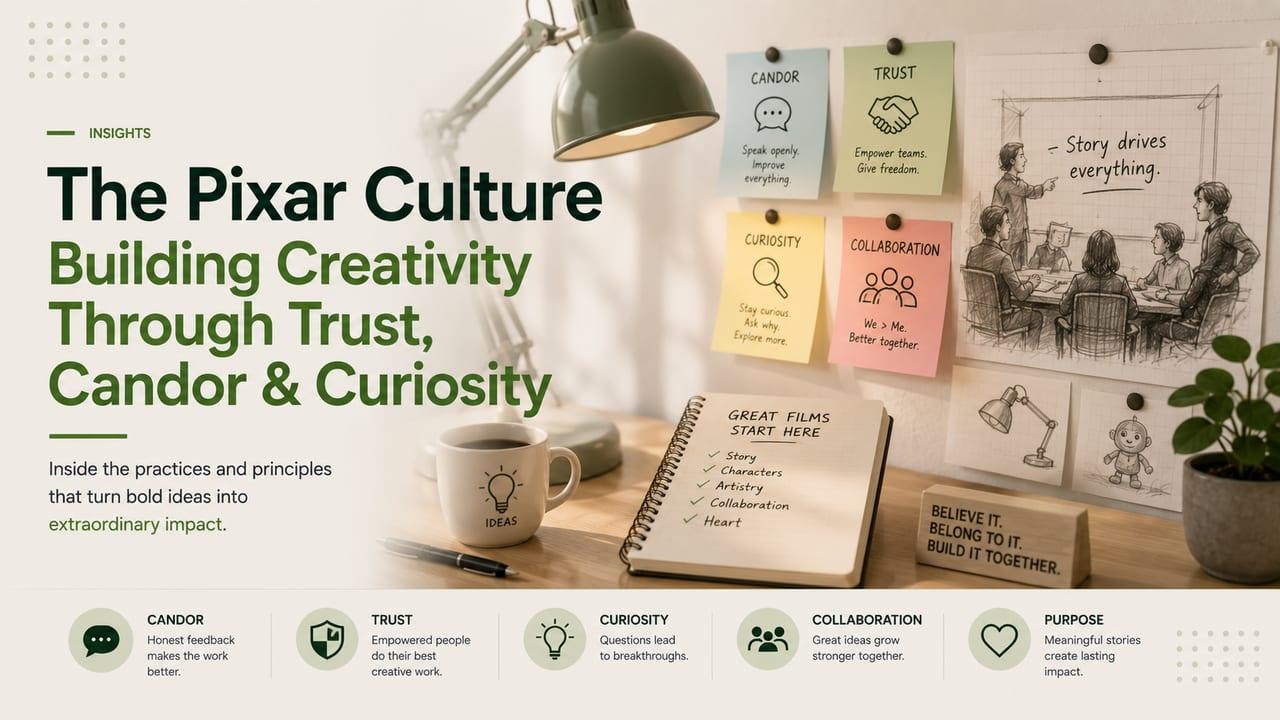 സംസ്കാരംPixar-ൽ സംസ്കാരമായിരുന്നു സർഗ്ഗാത്മകതയുടെ യഥാർത്ഥ കാവൽക്കാരൻ3 മിനിറ്റ് വായന
 സംസ്കാരംCulture-നെ First Date പോലെ കാണരുത് — അത് Long Haul-നുള്ളതാണ്4 മിനിറ്റ് വായന
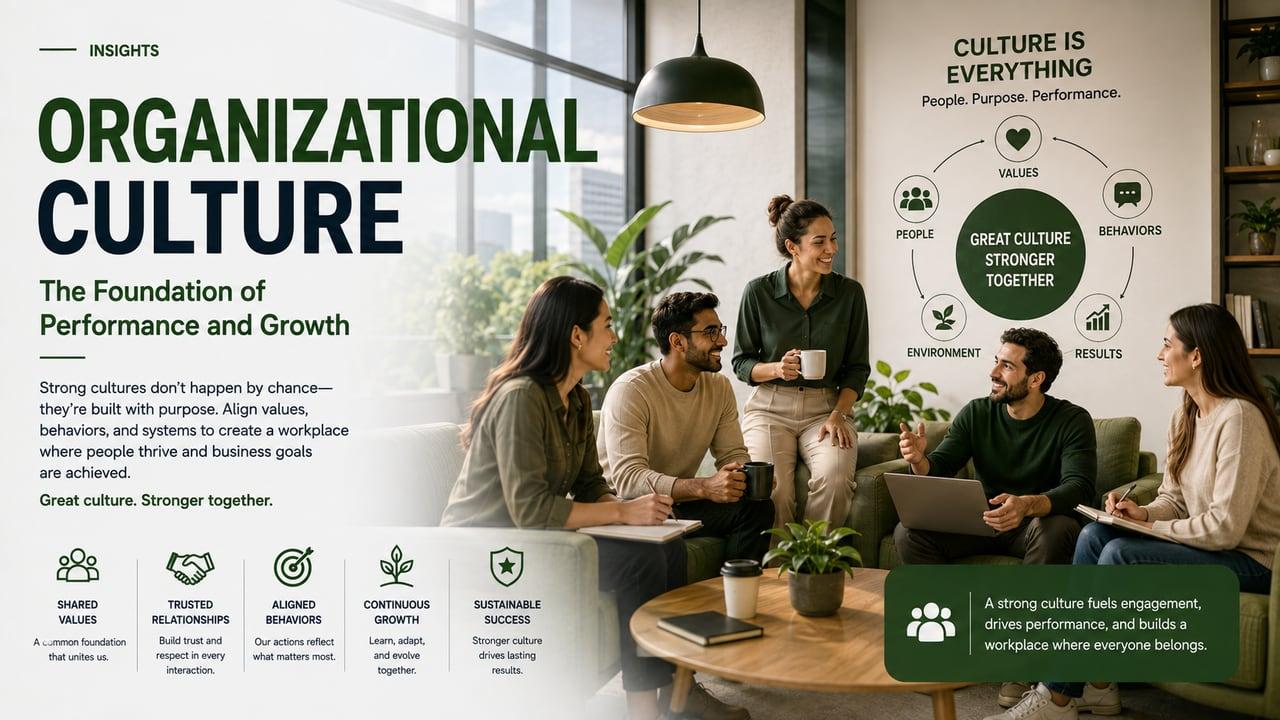 സംസ്കാരംഓർഗനൈസേഷണൽ കൾച്ചർ: അത് യഥാർത്ഥത്തിൽ പ്രകടനത്തെ എങ്ങനെ നയിക്കുന്നു3 മിനിറ്റ് വായന
 സംസ്കാരംഅവ ചുമരിലെ മുദ്രാവാക്യങ്ങളാണെന്ന് ഞാൻ കരുതി — ആളുകൾ അവ ജീവിച്ചുകാണുന്നതുവരെ4 മിനിറ്റ് വായന