Ein Führungsteam aufbauen: Erfahrene Leute einzustellen ist die leichtere Hälfte
Gründerinnen und Gründer, die nicht mehr jede Entscheidung treffen können, stellen meist erfahrene Führungskräfte ein und treffen die Entscheidungen dann trotzdem weiter selbst. Die drei Übergaben beschreiben, was eine Gruppe fähiger Führungskräfte tatsächlich zu einem Führungsteam macht: Verantwortungsbereiche, eine gemeinsame Unternehmensagenda und Verantwortung füreinander.

Wenn eine Gründerin oder ein Gründer nicht mehr jede Entscheidung treffen kann, lautet die übliche Antwort, erfahrene Führungskräfte einzustellen und darauf zu vertrauen, dass sie übernehmen. Die Einstellungen gelingen meist. Schief geht alles danach: Die Gründung entscheidet weiter, die neuen Führungskräfte werden zu teuren Beratern, und binnen zwei Jahren ist mindestens eine von ihnen gegangen, mit der Begründung, sie sei zum Führen geholt worden und habe es nie gedurft. Das Problem ist selten das Kaliber der Neuzugänge. Ein Führungsteam entsteht durch das, was die Gründung übergibt, in welcher Reihenfolge und an wen.
Wir arbeiten mit vielen Führungsteams in genau diesem Übergang, oft in Unternehmen mit hundert bis fünfhundert Personen in Saudi-Arabien und der Golfregion, und das Muster ist bemerkenswert konsistent. Die Gründung meint es ernst mit dem Loslassen. Die Struktur um sie herum macht es fast unmöglich.
„Ein sehr teurer Berater“
Der Gründer eines Logistikunternehmens in Dschidda hatte das Geschäft auf rund zweihundertfünfzig Personen ausgebaut und entschieden, zu Recht, dass es ein echtes Führungsteam brauchte. Innerhalb von neun Monaten stellte er einen Chief Operating Officer, einen Finanzdirektor und einen kaufmännischen Direktor ein, alle aus größeren regionalen und multinationalen Unternehmen.
Das wöchentliche Führungsmeeting fand jeden Montag statt, und es bestand vor allem aus Updates. Die echten Entscheidungen fielen in den Einzelgesprächen des Gründers, eine Führungskraft nach der anderen, sodass keine Führungskraft je sah, welche Abwägungen in den beiden anderen Gesprächen getroffen wurden. Preisausnahmen gingen weiterhin an den Gründer. Ebenso jede Einstellung oberhalb der Teamleitungsebene. Als der kaufmännische Direktor nach vierzehn Monaten kündigte, war sein Austrittsgespräch kurz: „Ich wurde eingestellt, um den kaufmännischen Bereich zu führen. Am Ende war ich ein sehr teurer Berater für jemanden, der ohnehin entscheiden würde.“
Der Gründer war ehrlich überrascht. Aus seiner Sicht hatte er seine Führungskräfte ständig konsultiert. Aus Sicht der Führungskräfte ist konsultiert zu werden nicht dasselbe wie zu entscheiden.
Die drei Übergaben
Eine Gruppe fähiger Führungskräfte wird durch drei Übergaben zu einem Führungsteam, und sie funktionieren am besten in dieser Reihenfolge, weil jede auf der vorherigen aufbaut.
1. Verantwortungsbereiche
Jede Führungskraft erhält einen klaren Bereich und schriftliche Entscheidungsrechte darin: was sie allein entscheidet, was gemeinsam mit einer Kollegin oder einem Kollegen und was an das Team oder die Gründung geht, jeweils mit Schwellen. Das ist die unspektakulärste Übergabe und diejenige, die Gründerinnen und Gründer am häufigsten überspringen, weil sie sich bürokratisch anfühlt. Ohne sie wird jedes Gespräch über Befugnisse Fall für Fall neu verhandelt, und die Gründung gewinnt automatisch. Entscheidungsdrift beginnt genau dort, wo diese Rechte nie aufgeschrieben wurden.
2. Die Unternehmensagenda
Als Nächstes übernimmt das Team, nicht die Gründung allein, die Verantwortung für eine kurze Liste unternehmensweiter Entscheidungen: Jahresprioritäten, größere Ressourcenverschiebungen, die wenigen Abwägungen zwischen Funktionen, die das Jahr prägen. Das macht aus einer Reihe von Funktionsleitungen ein Team, weil es ihnen etwas gibt, das sie gemeinsam verantworten und das keine von ihnen allein liefern kann. Halten Sie die Liste kurz. Fünf gemeinsam verantwortete Entscheidungen auf Unternehmensebene schlagen zwanzig, zu denen das Team lediglich konsultiert wird.
3. Verantwortung füreinander
Schließlich beginnen Führungskräfte, einander für die Unternehmensagenda in die Verantwortung zu nehmen, statt nur der Gründung für ihre eigene Funktion Rechenschaft zu schulden. Das ist die schwierigste Übergabe und diejenige, die den größten Unterschied macht. In einem Team nach dem Nabe-Speichen-Prinzip läuft die Verantwortung jeder Führungskraft zur Gründung, also werden Reibungen unter Kollegen durch Eskalation nach oben gelöst. In einem echten Team kann der kaufmännische Direktor dem Operations-Direktor sagen, dass ein Lieferversprechen das Jahr gefährdet, und das Gespräch findet im Raum statt statt in zwei getrennten Einzelgesprächen. Geschieht das nicht, entsteht das Muster, das wir als Abteilungs-Pingpong beschreiben.
Ein schneller Weg zu sehen, wo Ihr Team steht: Zählen Sie einen Monat lang, wo Entscheidungen tatsächlich getroffen werden. Fallen die meisten folgenreichen Entscheidungen in den Einzelgesprächen der Gründung, haben Sie eine Nabe mit Speichen, egal was das Organigramm sagt.
Und jetzt der unbequeme Teil
Gründerinnen und Gründer beginnen diesen Übergang meist mit Einstellungen. Wir würden damit beginnen aufzuschreiben, was Sie nicht mehr entscheiden werden, noch bevor die erste erfahrene Führungskraft ankommt. Wer in schriftliche Verantwortungsbereiche und eine klare Unternehmensagenda hinein startet, hat ab der ersten Woche etwas zu führen. Wer in das Wohlwollen einer Gründung hinein startet, verbringt ein Jahr damit, seine Befugnisse auszuhandeln, und die besten Kandidatinnen und Kandidaten warten nicht so lange.
Der zweite Punkt betrifft die Größe. Sobald das Team existiert, wächst der Druck, Menschen hinzuzufügen: Jede Funktionsleitung will einen Platz, und jemanden außen vor zu lassen, fühlt sich wie eine Herabstufung an. Das Führungsteam sollte durch die Unternehmensagenda definiert werden, nicht durch die Berichtslinie. Nicht jeder, der an den CEO berichtet, muss im Team sitzen, das unternehmensweite Prioritäten setzt, und ein Team, das über die Größe hinauswächst, in der Menschen tatsächlich miteinander streiten können, wird wieder zum Update-Meeting, nur zu einem größeren.
Warum das funktioniert
Die Unterscheidung von Katzenbach und Smith in The Wisdom of Teams ist der klarste Ausgangspunkt: Eine Arbeitsgruppe ist eine Reihe von Einzelnen, die Informationen teilen und jeweils ihren eigenen Teil liefern, während ein Team einen Zweck und Ergebnisse teilt, die gemeinsame Arbeit erfordern. Die meisten Führungsteams sind die meiste Zeit Arbeitsgruppen, und für das Führen von Funktionen ist das in Ordnung. Das Problem entsteht, wenn ein Unternehmen ein Team braucht, etwa um Ressourcen neu zu verteilen oder eine Strategie über Funktionen hinweg zu tragen, und immer nur eine Arbeitsgruppe aufgebaut hat.
Wageman, Nunes, Burruss und Hackman haben in Senior Leadership Teams Führungsteams direkt untersucht und argumentiert, dass die Bedingungen für Teamwirksamkeit überwiegend strukturell sind: ein klar abgegrenztes Team mit den richtigen Mitgliedern, ein überzeugender gemeinsamer Zweck und eine Struktur, die die Arbeit ermöglicht, wobei Coaching weniger zählt als diese Grundlagen. Viele der untersuchten Teams waren zu groß oder hatten eine unklare Zusammensetzung, was sich mit dem deckt, was wir sehen. Lencionis Idee des „ersten Teams“, in dem die erste Loyalität einer Führungskraft dem Führungsteam gilt statt der eigenen Funktion, beschreibt die dritte Übergabe in einfachen Worten.
Nichts davon bedeutet, dass die Gründung weniger wichtig wird. Es geht darum, dass sich die Rolle verändert, wie wir in Von der Gründung zum CEO ausführen: von der Person, die die Entscheidungen trifft, zu der Person, die gestaltet, wie Entscheidungen getroffen werden.
Eine praktische Checkliste
- Listen Sie die zwanzig Entscheidungen auf, die Sie letzten Monat getroffen haben, und markieren Sie, welche nach einer schriftlichen Regel jemand anderes hätte treffen sollen. Diese Liste ist Ihr erster Entwurf der Verantwortungsbereiche.
- Schreiben Sie die Entscheidungsrechte jeder Führungskraft auf, mit Schwellen, und teilen Sie das gesamte Set mit dem Team, damit alle die Rechte aller anderen sehen.
- Definieren Sie die Unternehmensagenda: höchstens fünf Entscheidungen auf Unternehmensebene, die das Team in diesem Jahr gemeinsam verantwortet.
- Holen Sie folgenreiche Entscheidungen aus den Einzelgesprächen ins Teammeeting und machen Sie aus den Updates eine schriftliche Vorablektüre.
- Machen Sie kollegiale Herausforderung explizit: Vereinbaren Sie, wie Führungskräfte Bedenken zu den Bereichen der anderen ansprechen, und üben Sie es an echten Prioritäten.
- Halten Sie das Team klein und machen Sie die Zugehörigkeit von der Unternehmensagenda abhängig statt von der Berichtslinie.
- Überprüfen Sie die Arbeitsvereinbarung im ersten Jahr jedes Quartal, denn die Übergaben gelingen selten beim ersten Versuch.
Fragen Sie sich
- Wo wurden die drei wichtigsten Entscheidungen des letzten Quartals tatsächlich getroffen, und wer war im Raum?
- Könnte jede unserer Führungskräfte schriftlich sagen, was sie ohne mich entscheiden darf?
- Was verantwortet unser Führungsteam gemeinsam, das keines seiner Mitglieder allein liefern könnte?
- Wenn zwei Führungskräfte uneins sind: Wird das zwischen ihnen gelöst, im Team oder in meinem Büro?
- Wenn unser neuester Neuzugang in der Führung morgen kündigte, was stünde in seinem Austrittsgespräch?
Das Fazit
Ein Führungsteam entsteht nicht durch die Einstellung erfahrener Leute. Es entsteht, indem man ihnen Verantwortungsbereiche mit schriftlichen Befugnissen übergibt, eine gemeinsame Unternehmensagenda, die sie zusammen verantworten, und Verantwortung füreinander statt nur Ihnen gegenüber. Schreiben Sie auf, was Sie nicht mehr entscheiden werden, bevor die erste Einstellung ankommt, und das Team, das Sie einstellen, hat ab dem ersten Tag etwas zu führen. Hochleistungsteams an der Spitze eines Unternehmens beginnen mit dieser Übergabe.
Häufig gestellte Fragen
- Wie baut man ein wirksames Führungsteam auf?
- Starke Führungskräfte einzustellen ist nur die erste Hälfte. Wirksam wird das Team, wenn die Gründung drei Dinge der Reihe nach übergibt: klare Verantwortungsbereiche mit schriftlichen Entscheidungsrechten für jede Führungskraft, eine kleine Unternehmensagenda mit Entscheidungen, die das Team gemeinsam trifft statt die Gründung allein, und gegenseitige Verantwortung, sodass Führungskräfte einander Rechenschaft schulden, nicht nur der Gründung.
- Was sollte eine Gründung zuerst delegieren, wenn das Unternehmen ihr entwächst?
- Wiederkehrende Entscheidungen innerhalb eines klaren Bereichs, mit schriftlichen Schwellen: Einstellungen unterhalb einer bestimmten Ebene, Preise innerhalb einer Spanne, Ausgaben innerhalb eines Budgets. Sie lassen sich am leichtesten aufschreiben und sind am teuersten zu behalten, weil jede davon die Gründung zur Warteschlange macht. Strategische Entscheidungen werden zuletzt übergeben, und zwar an das Team statt an eine einzelne Führungskraft.
- Wie groß sollte ein Führungsteam sein?
- Klein genug, um gemeinsam zu entscheiden, was für viele Unternehmen etwa fünf bis acht Personen bedeutet. Die Zugehörigkeit sollte der Unternehmensagenda folgen, nicht der Berichtslinie: Nicht jeder, der an den CEO berichtet, muss im Team sitzen, das unternehmensweite Prioritäten setzt, und wer es größer macht, verwandelt es meist in ein Update-Meeting.
- Warum verlassen erfahrene Neuzugänge gründergeführte Unternehmen?
- Meistens, weil sie zum Führen eingestellt wurden und am Ende beraten. Echte Entscheidungen fallen weiter in den Einzelgesprächen der Gründung oder in informellen Unterhaltungen, das Führungsmeeting wird zum Statusbericht, und die neue Führungskraft trägt Verantwortung ohne Befugnis. Meist sagen sie das im Austrittsgespräch, selten vorher.
- Was ist der Unterschied zwischen einem Führungsteam und einer Gruppe von Führungskräften?
- In einer Gruppe von Führungskräften leitet jede eine Funktion und berichtet an dieselbe Person. Ein Führungsteam verantwortet zusätzlich gemeinsame Ergebnisse, die keine einzelne Funktion liefern kann, trifft manche Entscheidungen gemeinsam und hält seine Mitglieder für die Unternehmensagenda über ihre eigenen Funktionen hinaus in der Verantwortung. Die meisten Führungsteams sind die meiste Zeit Gruppen, und das ist in Ordnung, solange sie wissen, in welchem Modus sie gerade sind.
Verwandte Artikel
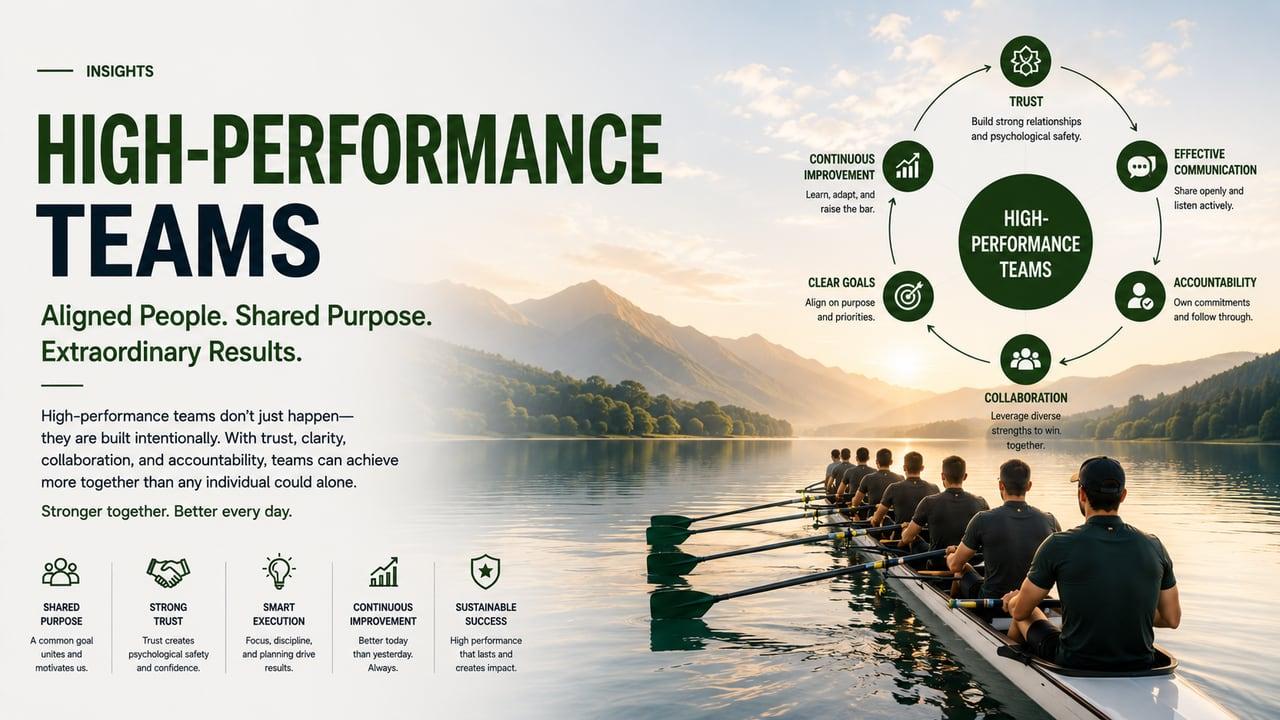 FührungHochleistungsteams: Was sie von bloß geschäftigen unterscheidet6 Min. Lesezeit
 FührungVom Gründer zum CEO: In die Rolle hineinwachsen, während das Unternehmen wächst4 Min. Lesezeit
 FührungDie Ping-Pong-Kultur, über die niemand spricht — und die Ihre Strategie still zerstört7 Min. Lesezeit
 OrganisationsentwicklungKulturkennzahlen für das Board: Hören Sie auf, das Wetter zu melden8 Min. Lesezeit